
The Olympic Peninsula loop is, without a doubt Washington’s most wild area. Approximately 3500 square miles of land make up one of the remaining unexplored territories in the United States. There are few people around, and even fewer roads. Mountains, lakes, rivers, the Pacific Ocean, and even a temperate rainforest are all present. All of this is accompanied by breathtaking natural beauty.
There is enough to see whether you travel by the Seattle-Bainbridge Ferry and begin in the north or drive down and around beginning on the West Coast. An Olympic Peninsula road trip has no shortage of lovely locations!
1: Hurricane Ridge
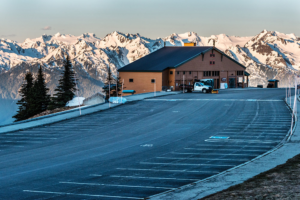
You may drive up to Hurricane Ridge Visitor Center from the north. The Olympic National Park visitor center is located immediately south of Port Angeles, Washington. You ascend and climb, along a twisting road with views of the eerily uniform Olympic Mountain Range. You can also see the Strait of Juan de Fuca and Canada from here.
You have several alternatives once you arrive at the Visitor Center. Numerous small paths begin in the area where you may trek, relax and enjoy a picnic with a view, or explore the exhibits in the visitor center.
2: Salt Creek Recreation Area
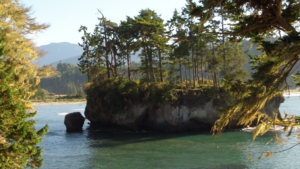
This is an excellent stop on the route to Cape Flattery from Port Angeles. While it is a small County Park, the vistas it provides make it look to be a tropical resort in the appropriate conditions. When you come, make sure you go to the appropriate place: Tongue Point Marine Sanctuary, not the beach. The first time we tried to identify this location, we drove to a beach where folks paid a fee to access. We returned disheartened, but with a clearer understanding of where we needed to be.
The clean, shallow seas surrounding a marine sea stack are the major draw here. Many scuba divers have told me that this is an excellent location for seeing marine life along the shore. Even if you are not a scuba diver, the rocks provide marine tidepools to explore.
3: Cape Flattery
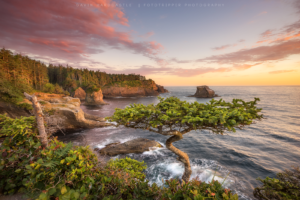
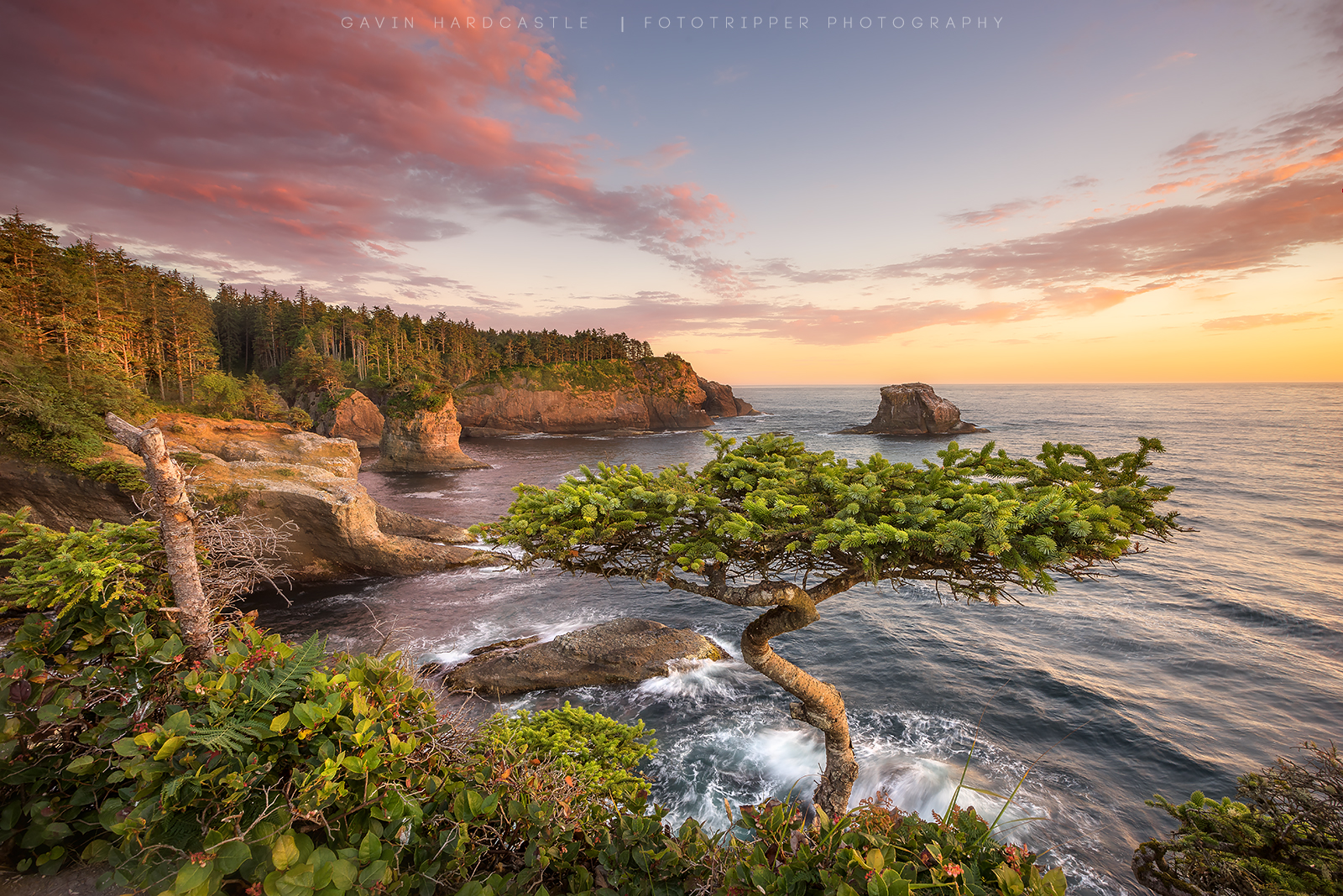
Cape Flattery is certainly the most remote location, yet it is also likely the most picturesque. Captain James Cook called this jewel, which is the farthest northwestern point of the contiguous United States. Highway 112 will take you there. Because it is on traditional Makah property, you must obtain a Makah Recreation Usage Permit and display it on your vehicle.
You hike along a boardwalk route to several overlooks once you arrive. Only from above can you see Cape Flattery, and the sights may be dizzying. You can see the water swirling amid massive sea stacks. When the weather is wet and stormy, the waves crash against the cliffs. The vistas are unrivaled if you’re lucky enough to catch them on a clear and sunny day.
4: Lake Crescent
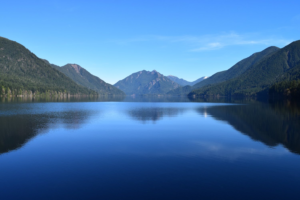
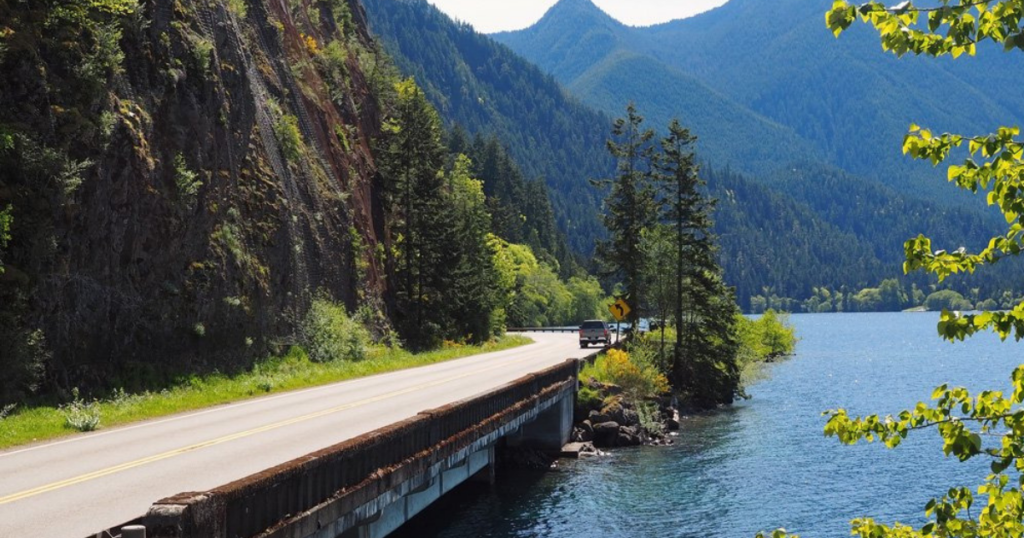
Lake Crescent, one of the jewels of Olympic National Park, is a deep lake with a variety of sports. One of the most gorgeous drives is along Highway 101 around a portion of the lake. Depending on the season, there may be waterfalls running alongside the road. There are views of the neighboring mountains everywhere, and the lake is a rich blue when the sun shines.
Lake Crescent Lodge is a lovely stop on the route. You may spend time on the waterfront, which has some of the nicest views of the lake. Kayak and canoe rentals are offered, as well as guided lake cruises. There are several walks available, my personal favorite being the Spruce Railroad Trail. Although the majority of the walk is in forested areas, the Punchbowl Bridge, which spans Lake Crescent, is visible about a mile in.
5: Rialto Beach
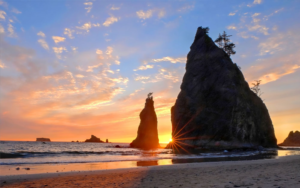
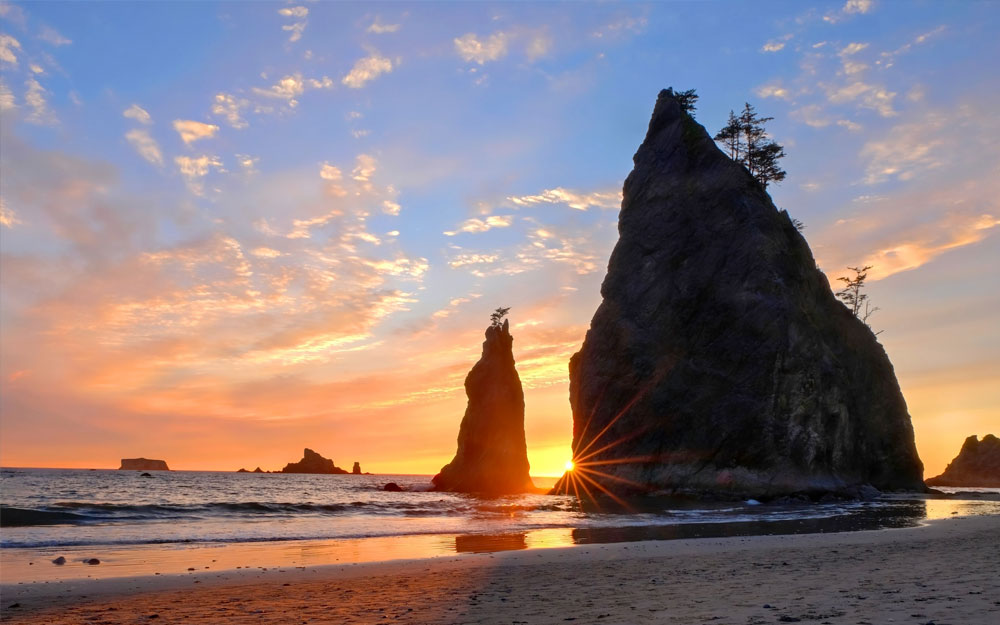
Washington beaches are distinct from those on the rest of the West Coast. They are occasionally bordered with enormous pieces of driftwood, and swimming in most of them is not advised. Rialto Beach is a prime example. This beach is readily reached from Lake Crescent by taking Highway 101 and then Highway 110. It’s remote and undeveloped.
Going down the beach, you may see large waves crashing into the coast and stroll through driftwood heaps. Hiking down the beach to Hole-In-The-Wall, a rock with views of stunning rock formations, is one of the most popular activities to do at this beach. To get there, you’ll need to cross a fast-moving river, and you’ll need to keep an eye on the tide tables once again.