

The new cafe creates a cultural culinary hub for Native Seattleites.
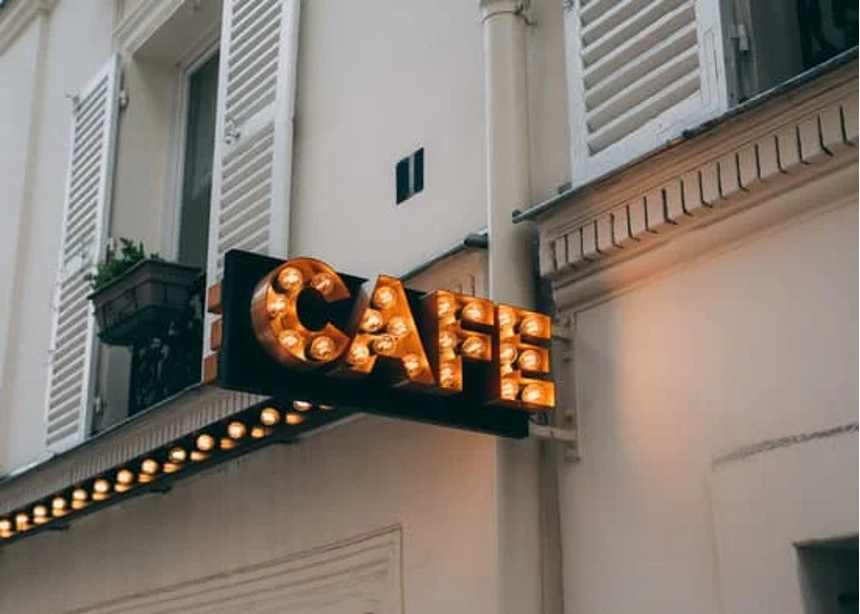
On a snowy Tuesday morning in November, when the ribbon was cut to celebrate the opening of ál’al Café in Pioneer Square, members of Seattle’s Native American community lined up alongside non-Native Washingtonians to receive blue corn mush and other traditional Native foods. The event was held to commemorate the opening of ál’al Café, which was located in the same community. The delicacy known as blue corn mush is prepared by combining juniper ash, blue cornmeal from the Navajo Nation, and water in a pot. It is then covered with fresh berry sauce before being served. In addition to that, the dish is put together.
The warm and comfortable álal Café, new to the Native American community in Seattle and serves as a site for community events, has recently opened its doors. It is possible to find it within the Chief Seattle Club, which is located in the Pioneer Square neighborhood of Seattle in Washington. The restaurant is owned and operated by the Native people that reside in the surrounding area. The cafe serves as a metaphor for the junction of Indigenous peoples’ cuisine, heritage, and health and their connection to one another. This movement can be traced back to a subset of native people who are following in their ancestors’ footsteps in the Emerald City.
“It’s Native people doing things for Native people,” According to Derrick Belgarde, the executive director of the Chief Seattle Club, the Chief Seattle Club is a non-profit organization that offers social assistance and housing to Native people who are facing homelessness in the Seattle area. The Chief Seattle Club provides these services to Native people in the Seattle area.
“You’re not the only Native person in that cafe; you’re not the only person wearing tribal artwork on your shirt.”
According to Belgarde, a member of the Confederated Tribes of Siletz Indians of Oregon and a Chippewa-Cree from Rocky Boy, Montana, the álal Café (pronounced “all-all”) is a place where Native Americans can find connection and “be enough just as a Native person.” Belgarde says that Native Americans can “be enough just as a Native person.” It is pronounced “all-all,” and the establishment’s name is “all-all.” The word for “home” in Lushootseed is where this coffeehouse’s name originates.
Native people helping other Native people
The álal Café, which opened its doors in November, is following in the footsteps of other successful food businesses in Seattle, such as Off the Rez and Native Soul Cuisine, which are contributing to the expanding Native food scene in the city. In Seattle, other restaurants and food businesses, such as Off the Rez and Native Soul Cuisine, have greatly succeeded in recent years. The álal Café is now following in their footsteps.
Valerie Segrest, a nutritionist and educator specializing in Native foods, said the álal Café is part of a growing movement to raise awareness of Native foods. This movement has many businesses focusing on food sustainability, equity, and education.
Segrest, a member of the Muckleshoot Tribe, said, “We have to learn to value the foods that originate from this country, as well as the people.” The significance of ál’al Café resides in the fact that it is the first business of its sort to pay sincere attention to our foods and, consequently, our identity ever since the pioneers arrived at Seattle’s shores.
Customers can anticipate sampling some Native American art when they are there and getting a cup of coffee and some bison tacos with sliced radish on top.
Native American business owners in the Seattle area, such as chef Jeremy Thunderbird of Native Soul Cuisine, agree that food can combat the erasure of Native American communities.
“I believe food is a universal language. It is also a history book,” said Thunderbird, who is part of the Squamish and California’s Ohlone and Chumash tribes. “For so long, Natives have been left out of history, and the expansion of Native-owned food businesses in Seattle is long overdue.”
“Our foods are our medicine.”
The Chief Seattle Club, a non-profit that houses Indigenous Seattleites, runs the cafe. Native Americans in Seattle and the U.S. face food insecurity and homelessness as the new restaurant opens.
This year, the King County Regional Homelessness Authority reported that 9% of King County’s homeless are Native Americans, even though they make up only 1% of Seattle’s population. According to the Center on Budget and Policy Priorities, about 25% of Native Americans are food insecure.