

Handpicked for youOur favorite finds
AdvertisingLanzarote is the northernmost island in the Canary Islands. You’ll find plenty of Spanish influence here in the tapas and culture. But the island has its own distinct identity. The volcanic landscapes are unlike anything we’ve ever seen before. The architecture has its own special and sustainable style.
Avoid the crowded tourist beaches and discover the best of the island with these 21 unique things to do in Lanzarote.
In a Rush? Where to Stay in Lanzarote
- Puerto del Carmen — The biggest resort, closest to the airport, and the easiest base if you are not hiring a car
- Playa Blanca — The south, for Papagayo and the Fuerteventura ferry
- Costa Teguise — Good value, windy, and built for water sports
- Caleta de Famara — A surf village under the cliffs, for the landscapes rather than the resorts
Compare places to stay across the whole island.
The Best Things to Do in Lanzarote at a Glance
This is the quick version — what each of the main sights costs, where it is and how long to give it.
| What | Where on the island | Cost | Time to allow |
|---|---|---|---|
| Timanfaya National Park | South | €30 | Half a day |
| Playa de Papagayo | South | Small charge per car | A full beach day |
| Los Hervideros, Janubio and El Golfo | South-west | Free | Half a day |
| La Geria wine country | Centre | Free to drive, tastings extra | Half a day |
| Teguise Sunday market | Centre | Free | Sunday morning |
| Cueva de los Verdes | North | €17 | About an hour |
| Jardín de Cactus | North-east | €9 | About an hour |
| Mirador del Río | Far north | €9, or free from the lane alongside | About an hour |
| Caleta de Famara | North-west | Free | Half a day |
| La Graciosa | Ferry from Órzola | Ferry fare | A full day |
The other 16, plus where to base yourself, whether you need a car and what Lanzarote is like in October, are below.
Southern Lanzarote: Volcanoes, Salt Flats and the Best Beaches
1. Discover Timanfaya National Park
Explore the volcanic landscapes and lava fields of Timanfaya National Park. Walking routes are limited without a guide, but you can see the Montañas del Fuego (fire mountains) by taking a coach tour. The coach tour is free with the entry price to the national park (€30 per adult as of August 2026, and that includes the Ruta de los Volcanes coach route through the lava field).
The Timanfaya volcanic craters half-day tour includes the coach route and pick-up from the main resorts, which saves the drive and the car park queue in high season.
Allow two hours. The park opens at 09:30 and the last entry is mid-afternoon, and in half term the car park fills by late morning — go first thing or take a tour with its own coach slot. The restaurant at the visitor centre grills over the geothermal heat coming out of the ground, which is worth seeing even if you do not eat.
2. Explore Los Hervideros, Salt Flats and El Golfo
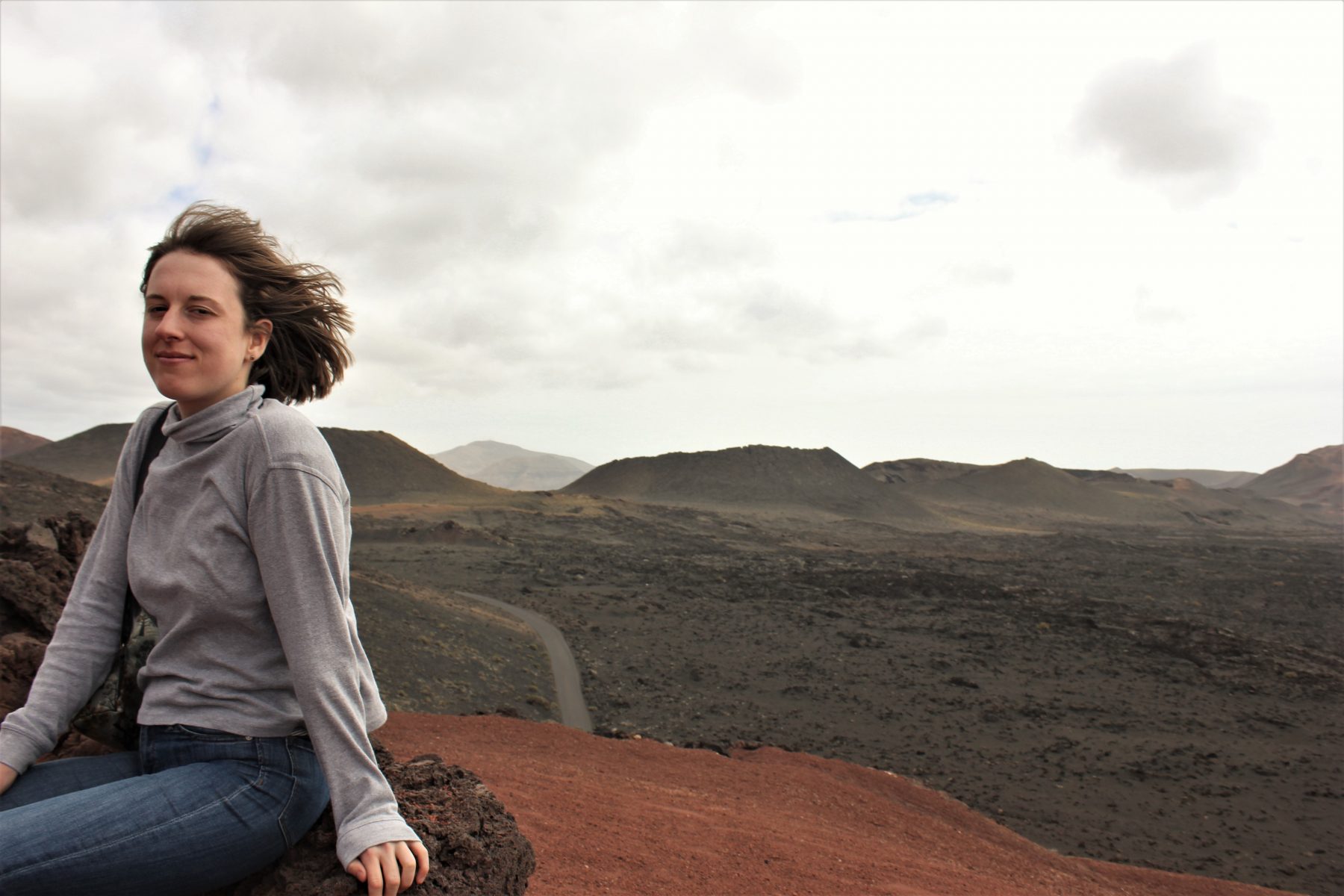
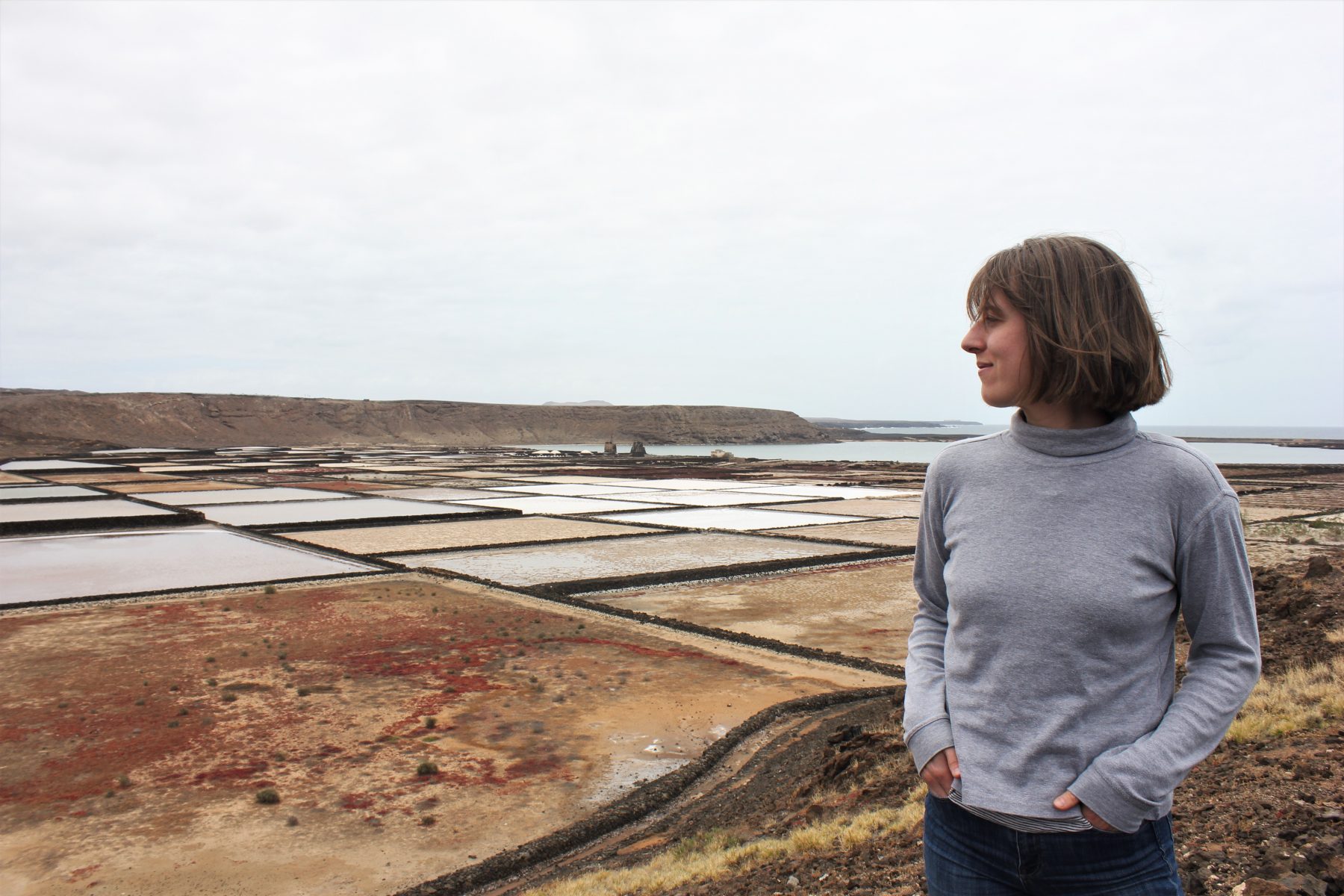
This trio of unique sights in the south of Lanzarote can be reached by car or bike. Start at Salinas de Janubio, the Canary Island’s biggest salt flats. Lava from volcano eruptions formed the walls of a natural lagoon here and these salt flats were later built in 1895. Continue round to Los Hervideros, a stretch of sea caves along the rugged coastline. And finally stop at El Golfo, a half-submerged cone of a volcano. Here you’ll find a black sand beach and Lago Verde, a green lake with a weird glow.
These three sit along the same southwest coastal road and make one easy half-day loop, all of them free to visit. Los Hervideros is best when there is swell, because the sea booms up through the lava tubes; on a flat day it is quiet. El Golfo village at the end is the place to stop for lunch.
3. Laze on the Beach at Papagayo
If you’re after a beach holiday in Lanzarote, then Papagayo’s beaches are where you’ll want to be. This string of golden sand beaches is the most beautiful in the Canary Islands. Along the coast, there are unique caves in the volcanic rock. The waters are crystal clear. The beaches are within the Los Ajaches Natural Park and you can walk or cycle between them.
The road to Papagayo is unsealed and rough. A catamaran day trip to the Papagayo beaches reaches them from the water instead, which is the easier option with children.
Papagayo is a string of coves inside a protected natural area, and there is a small charge per car at the gate. The track in is unsealed and rough — fine slowly in a normal hire car, unpleasant quickly. There is no shade and very little in the way of facilities, so take water.
4. Take a Sunset Walk from Playa Blanca to the Lighthouse
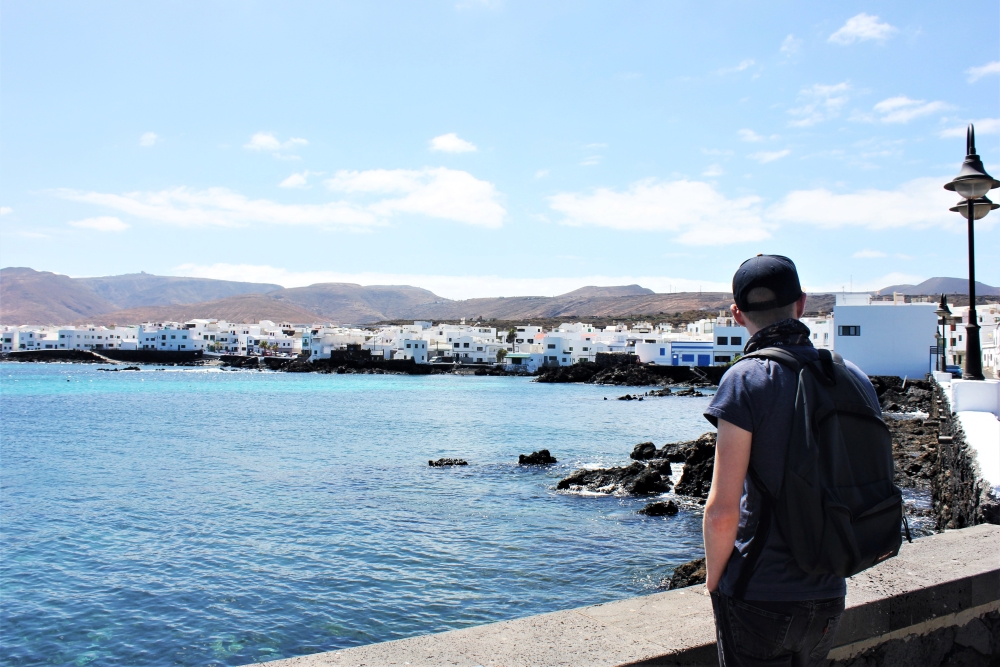
Though we wouldn’t recommend staying in the Playa Blanca area, we saw the best sunsets down here at the most southern point of Lanzarote. You can leave the crowds of sunburnt Brits with chip butties behind and walk from Playa Blanca to Faro de Pechiguera, the white lighthouse at the most southern tip of the island. Look out over the Atlantic Ocean with the island of Fuerteventura in the distance as the sun starts to set.
The promenade runs the length of Playa Blanca and out to the lighthouse, and it is flat the whole way. Marina Rubicón at the other end is where the ferry to Corralejo on Fuerteventura leaves from, which makes a good day trip if you have a week.
Central Lanzarote: César Manrique, Teguise and the Wine Country
5. Follow the Footsteps of César Manrique
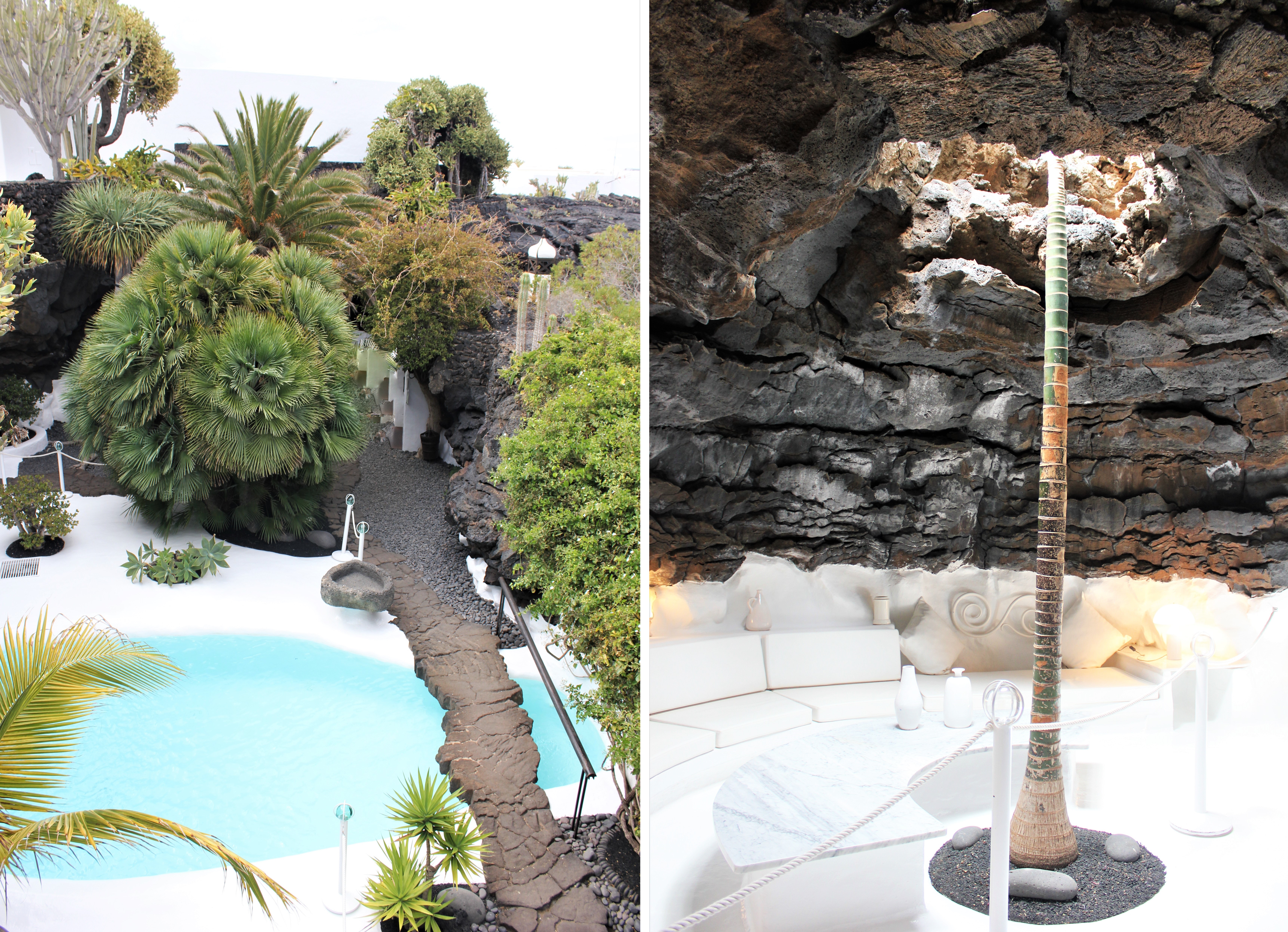
Lanzarote’s most famous son, César Manrique was a pioneer in sustainable architecture. It’s thanks to his work that most of the buildings in Lanzarote retain their traditional whitewashed charm. Manrique’s work can be found all over the island. One of his most interesting buildings, the César Manrique Foundation, is in Tahiche. The architecture at the Foundation is particularly unique. The lower floor is built within five natural volcanic bubbles connected by tunnels.
His foundation at Tahíche is built into a run of volcanic bubbles left by the lava, and it is the single best introduction to why the island looks the way it does. His own house at Haría, in the north, is the quieter and in some ways better of the two.
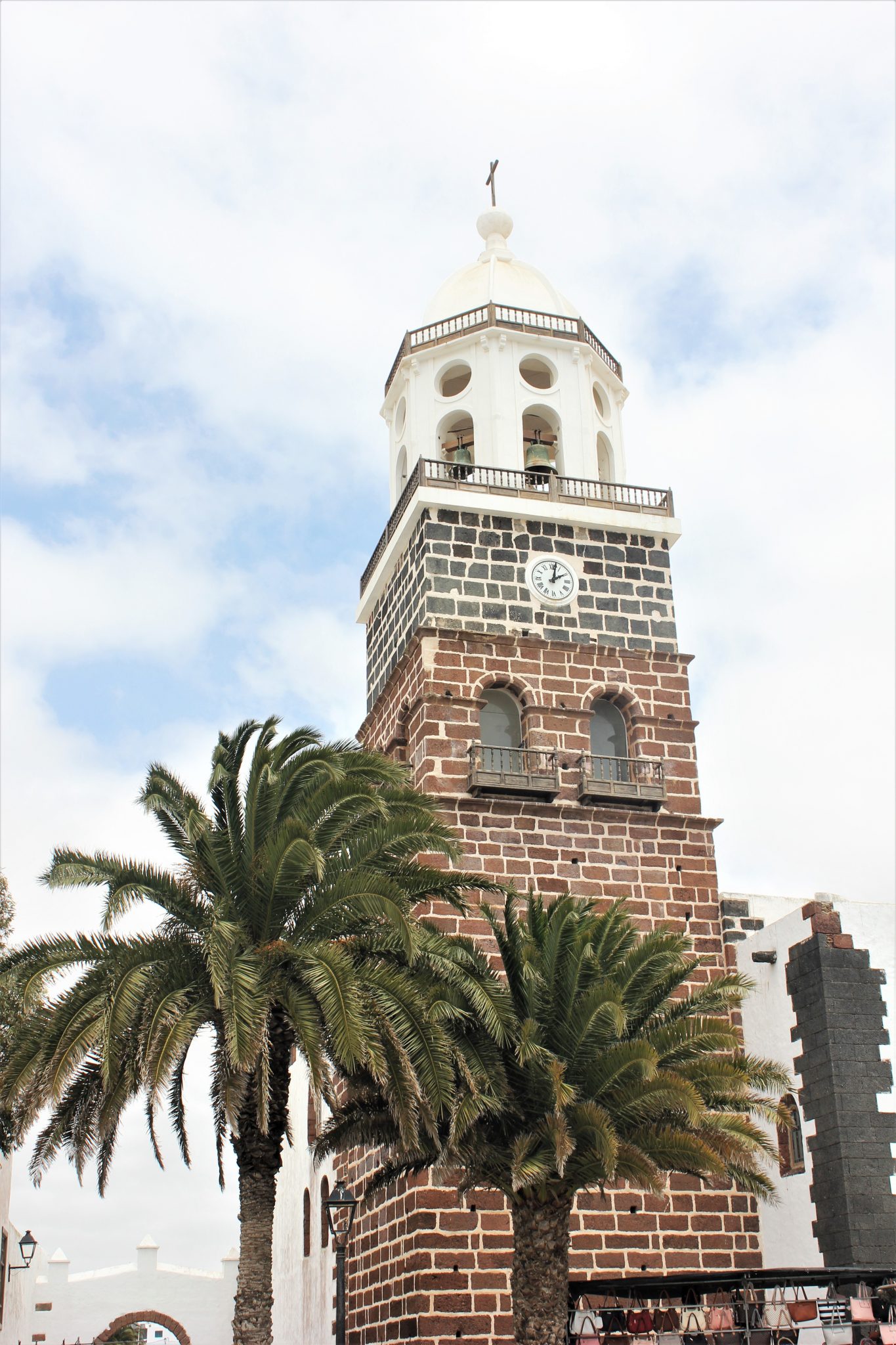
6. Visit Teguise
Teguise is a town in northern Lanzarote which is famous for its sprawling Sunday market. It can get a little hectic in the morning when coaches full of tourists arrive. Time your trip for the tail end of the market you can enjoy the weekend atmosphere without the mayhem. Enjoy wandering through the town and stop for a caña in one of the courtyards.
Teguise was the island capital for centuries and still feels like it. The Sunday market is the biggest on Lanzarote and fills the whole old town — go early, because the coach parties arrive mid-morning and parking gets difficult.
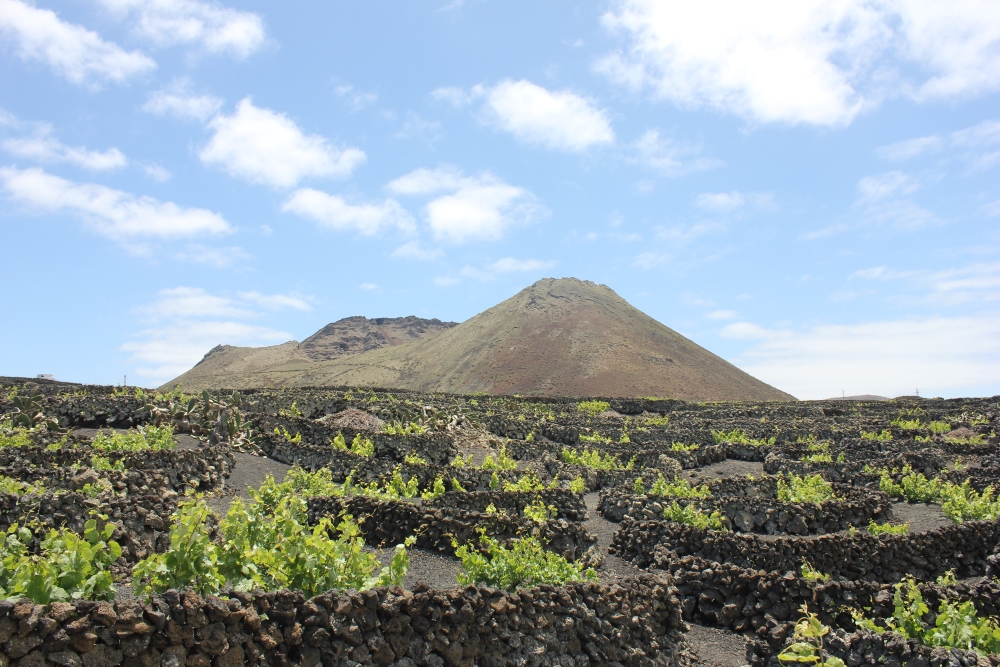
7. See La Geria Vineyards
Lanzarote’s volcanic soils provide the perfect conditions for growing grapes. La Geria is Lanzarote’s main wine-growing and is a protected area. The locals here have a unique way of cultivating wine. In La Geria, they dug hollows into the volcanic ash to plant the vines. They poured thick layers of soil on top in order to retain humidity. Semicular stone walls encapsulate the vines, protecting them from the regular winds.
The vines here are grown in hollows dug into black volcanic ash, each one sheltered behind a low semicircular stone wall, which is why the valley looks like nowhere else in Europe. It is a ten-minute drive from Timanfaya, so the two pair naturally into one day.

8. Enjoy a Lunchtime Meal in one of Lanzarote’s Bodegas
Whilst you’re visiting the vineyards, enjoy lunch at one of the bodegas. You’ll be able to sample locally grown wine from the vineyard where the bodega is located. We can highly recommend lunching on the terrace at
Bodega Uga
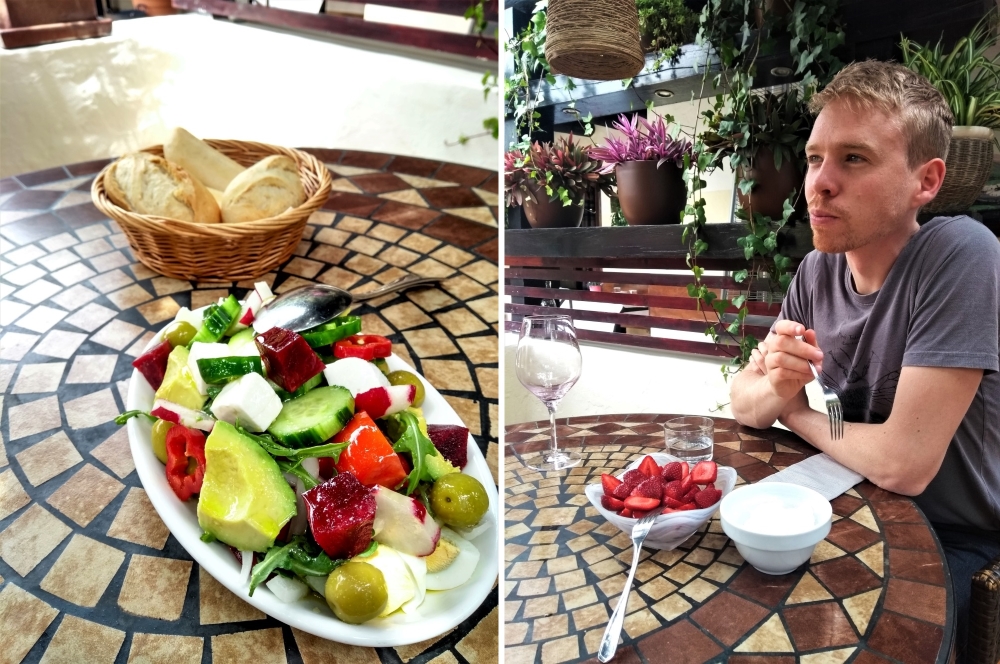
. Don’t expect a menu here. You’ll be served the tapas of the day with the recommended wine. If you’re vegetarian like us, you can expect a feast too. Our three-course meal of salad, grilled vegetables and strawberries and cream – with wine, of course – came to €30 for two when we visited.
Most of the bodegas along the La Geria road do lunch as well as tastings, and they are open through the middle of the day when a lot of the island is not. Book at weekends. If you are driving, the tasting is where a tour earns its money.
9. Drink Lanzarote’s Locally Grown Wine
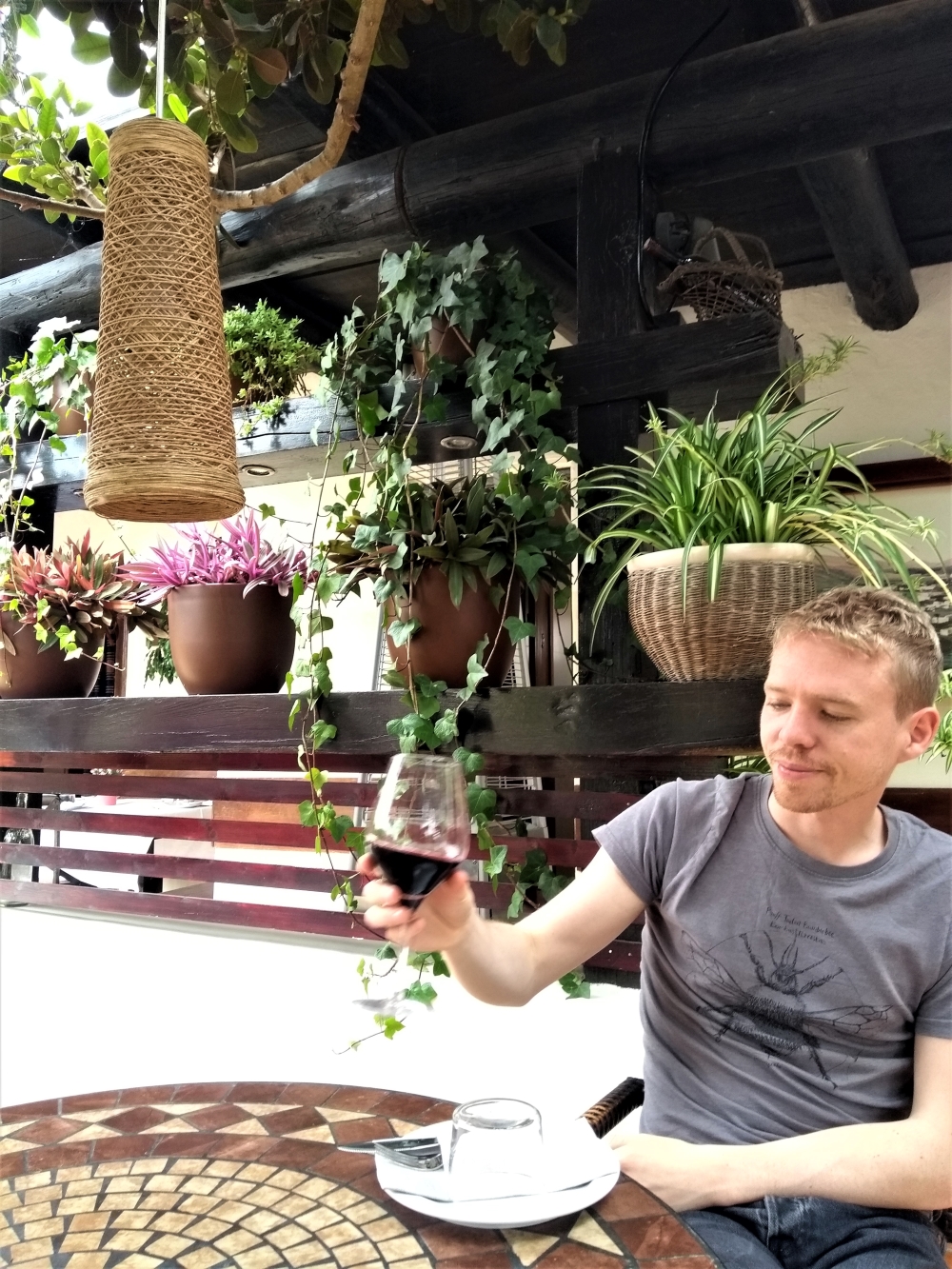
Lanzarote is home to excellent volcanic wine. If you’re the designated driver like me, you might not get a chance to sample any wine when you see the vineyards. Well, no problem! Stop by a local supermarket and pick up a bottle of Vega de Yuco, which cost €8-10 when we were there. The dry white wine is said to be Lanzarote’s best, though we loved the red just as much.
Northern Lanzarote: The Quiet Half of the Island
10. Shop at Haria’s Craft Market
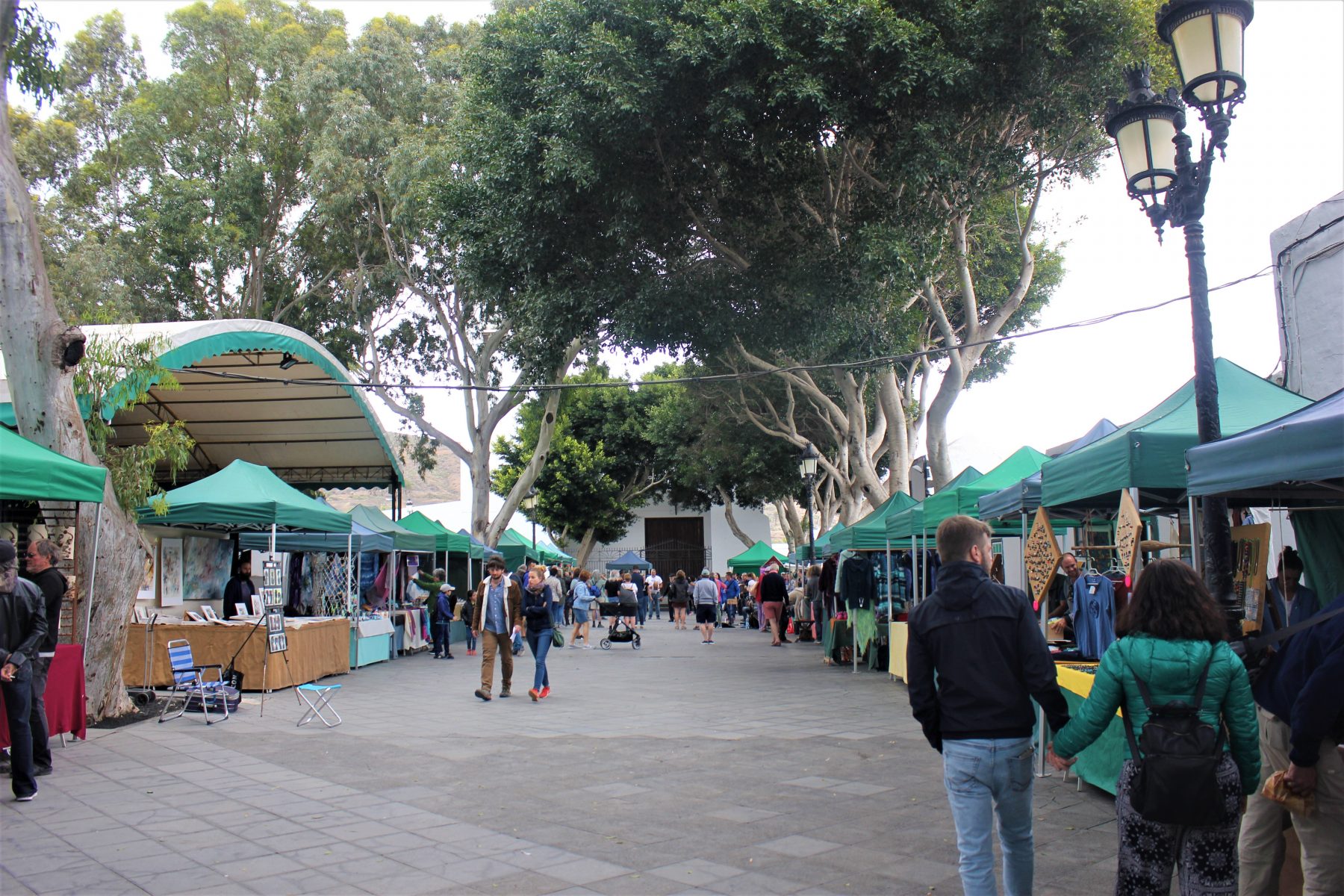
Head over to the northern village of Haria on Saturday morning for their local market. You’ll be entertained by Canarian music and traditional dance along the main street. Pull up a chair and order yourself an espresso while you watch. Rows of market stalls sell local crafts, art and fresh produce. We bought a bag of cherry tomatoes, a few onions and some spinach for just €1.
The craft market runs on Saturday mornings in the main square, and it is a local market rather than one laid on for visitors. Haría sits in a palm-filled valley that is greener than anywhere else on Lanzarote, and it is worth the drive on its own.
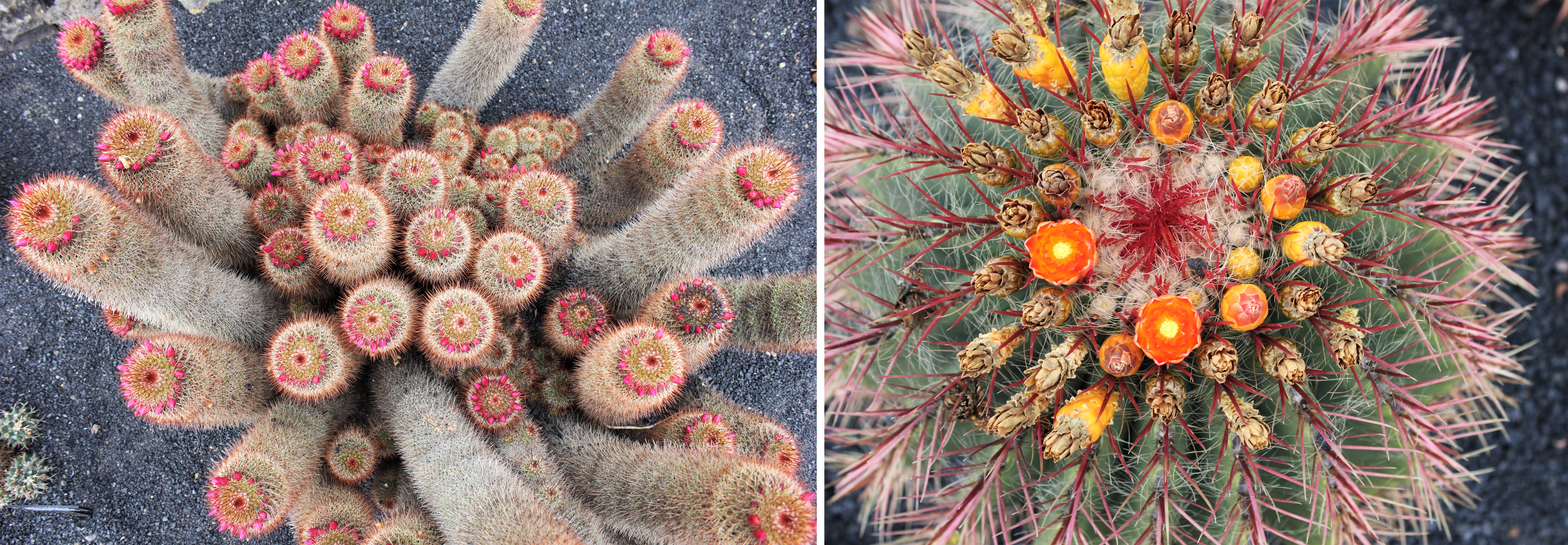
11. Mind Your Step in the Jardín de Cactus (Cactus Garden)
This impressive garden is home to 450 different kinds of prickly bush. You’ll be surrounded by a spectacular display of squat cactuses, flowering ones and cactus trees. The garden is located in Lanzarote’s cactus-growing region. The Jardín de Cactus is the last work of César Manrique. Entry to the Cactus Garden is €9 for adults.
Entry is €9 and it opens at 10:00. Allow an hour. It is built into an old quarry, it is the last thing César Manrique designed, and it is a short drive from Punta Mujeres and Arrieta, so the three go together well.

12. Walk through Cueva de los Verdes
Cueva de Los Verdes (The Cave of the Greens) is a 6km-long underground volcanic tunnel naturally formed by La Corona Volcano 21,000 years ago. This lava tube is one of the longest and most unique in the world. The tunnels were previously used as a hideout by the locals who sheltering from pirate attacks coming from north Africa.
The combined Timanfaya, Jameos del Agua and Cueva de los Verdes tour covers all three in a day if you would rather not drive between them.
The cave is part of a long lava tube running from Monte Corona down to the sea, and you go round on a guided tour that takes about an hour. It is cool underground, the floor is uneven, and it is the thing children tend to remember from the trip.
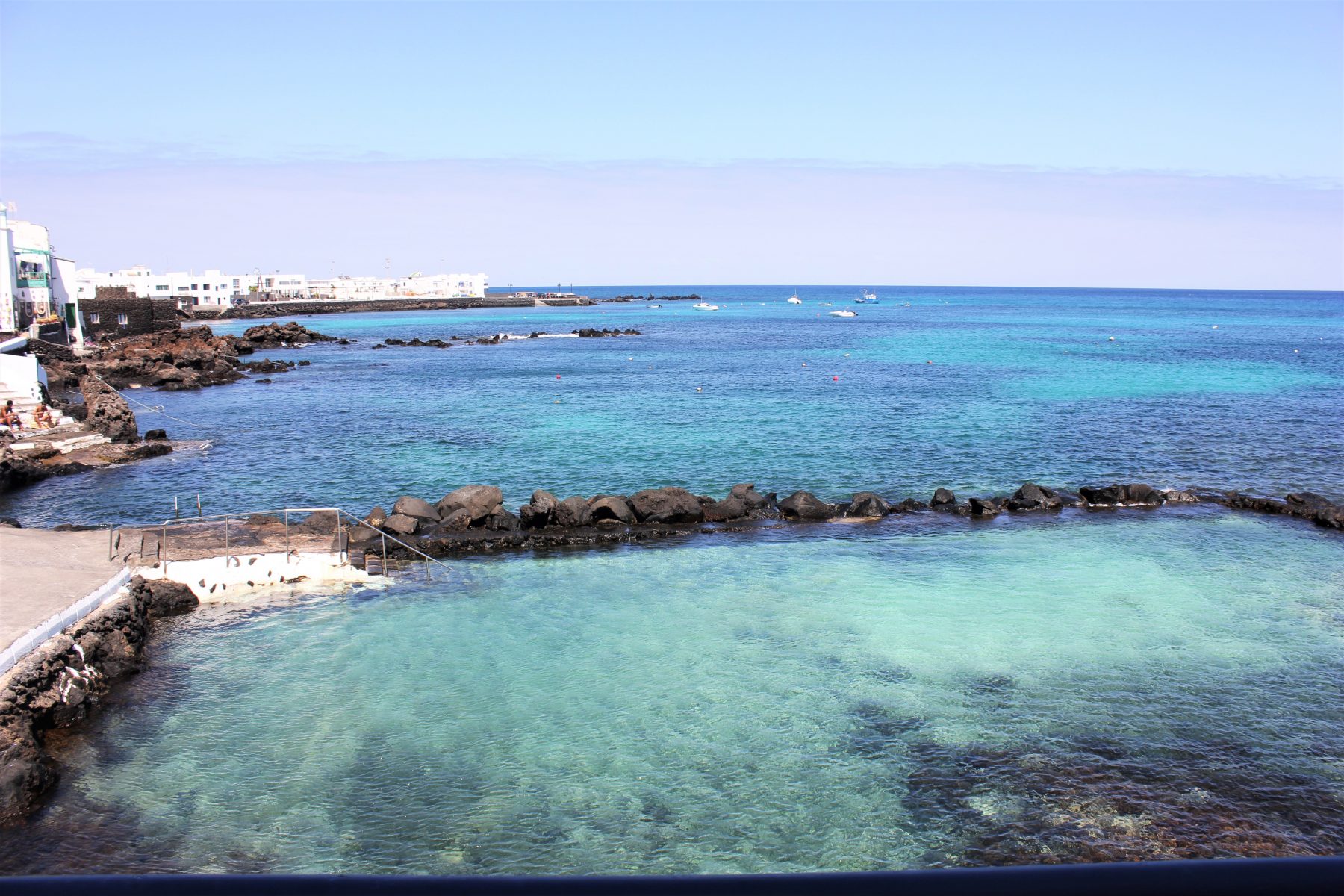
13. Bathe in the Natural Pools at Punta Mujeres
In the town of Punta Mujeres, you’ll find unique natural salt water swimming pools. The shape of the pools were formed by solidified lava left behind from the nearby volcanic eruption. The pools run along the coastline and have become filled with the sea water. If you can bear the cold water, they’re the perfect place to bathe on a warm day.
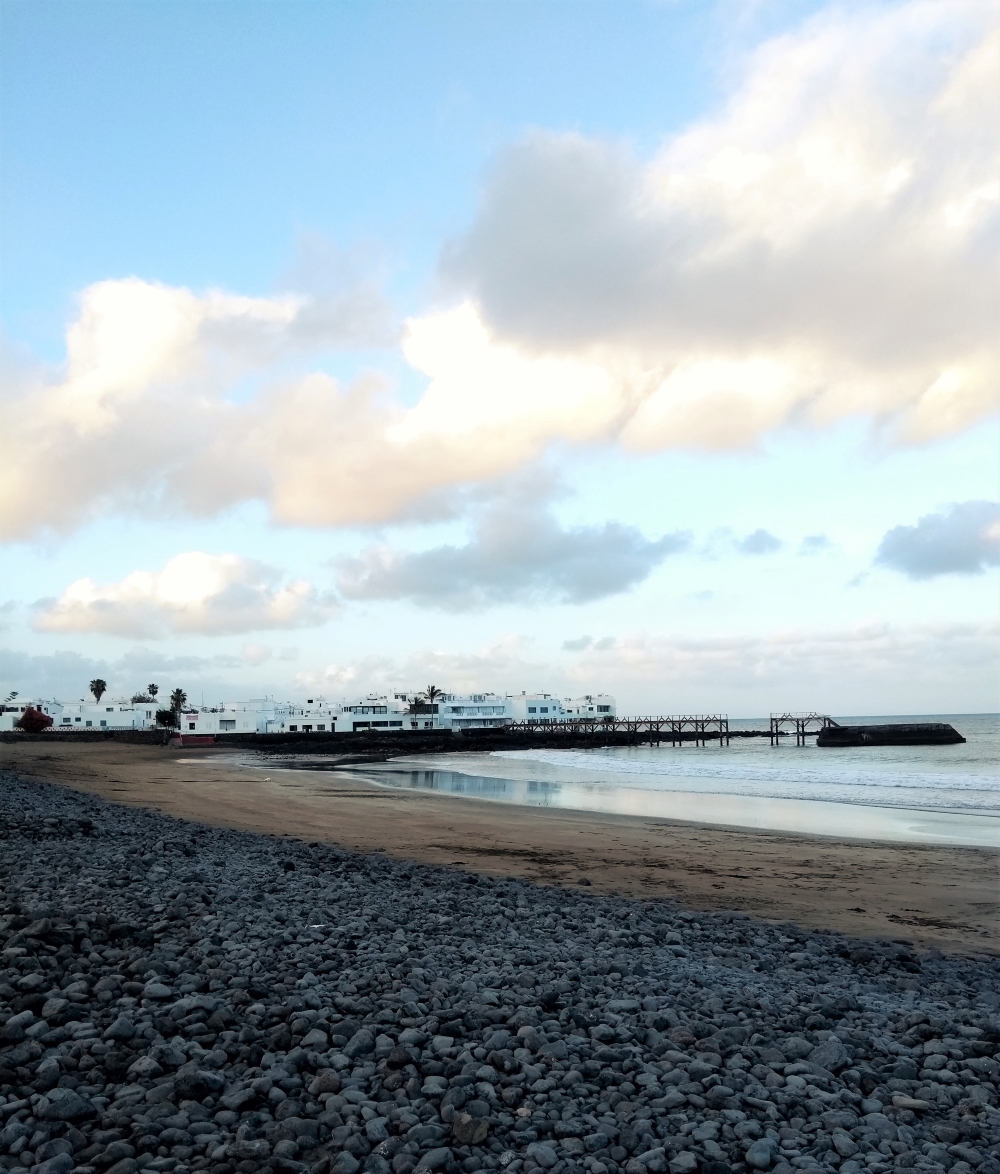
14. Spend the Day at Arrieta Beach
Head north for a beach day in Arrieta. This cute coastal village is home to one of Lanzarote’s best beaches. The bay is safe and sandy. Bring your own picnic to the beach or eat in one of the many local fish restaurants in Arrieta. When evening falls, pull up a bar stool in front of the camper van converted into a bar serving mojitos and wine on the beachfront.
15. Climb Monte Corona’s Volcanic Crater
Hike through the vineyards of the village of Yé and scale this extinct volcano to see its deep crater. You’ll be surrounded by ocean views on your way up the volcanic path. Start the walk at the white church in Yé and follow the path through the vineyard. The walk takes around 45 minutes each way and is low intensity.
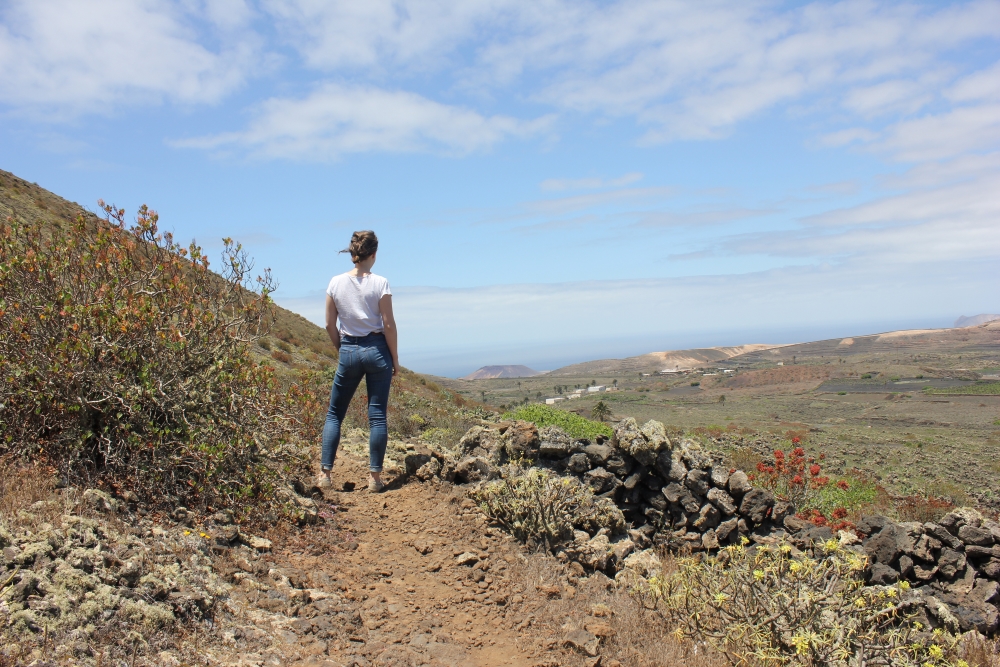
16. Drive Up to Las Nieves
Driving up the mountain road between Famara and Haria and you’ll find Mirador de Ermita de las Nieves. Marked by a small white chapel, this is the most spectacular viewpoint in Lanzarote if you can find a clear day. “Las Nieves” means snow, but of course, it never snows in Lanzarote. The name is given to the island’s highest point which is usually clouded by fog. Farmers on the island used to make pilgrimages here to ask for rain for their crops. The viewpoint is a unique alternative to the very touristy Mirador del Río. You’ll have the lookout all to yourself.

17. Look Out Over Graciosa Island
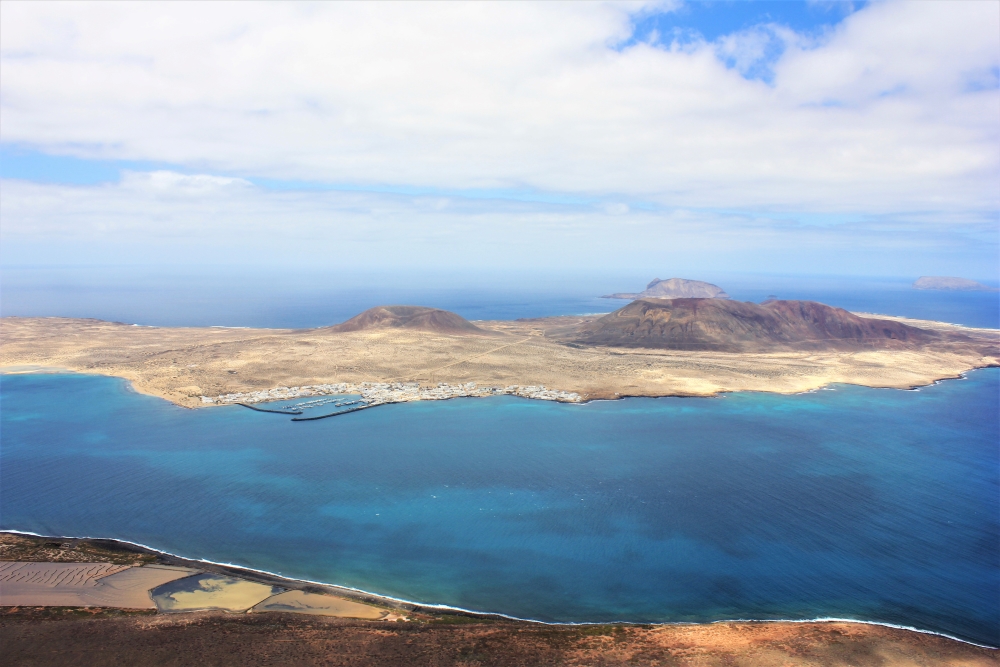
Head up to the Mirador del Rio, the viewpoint looking out over Graciosa Island. We recommend skipping the entrance fee into the Mirador because it’s so crowded with tourists (it was €4.50 when we visited and is €9 as of August 2026). Instead, walk down the lane to the side of the viewpoint until you can make out the gorgeous Graciosa Island. Be careful of the cliff edge!
The ferry runs from Órzola, and a La Graciosa island cruise with lunch bundles the crossing with a day on the water if you want the island without planning the logistics.
The Mirador is a Manrique design cut into the cliff at the northern tip. The paid viewing platform now costs €9, which is why the free lane alongside it is the better call unless you want the café. Go on a clear day and check the cloud before you drive up, because the whole point is the view.
18. Surf at Caleta de Famara
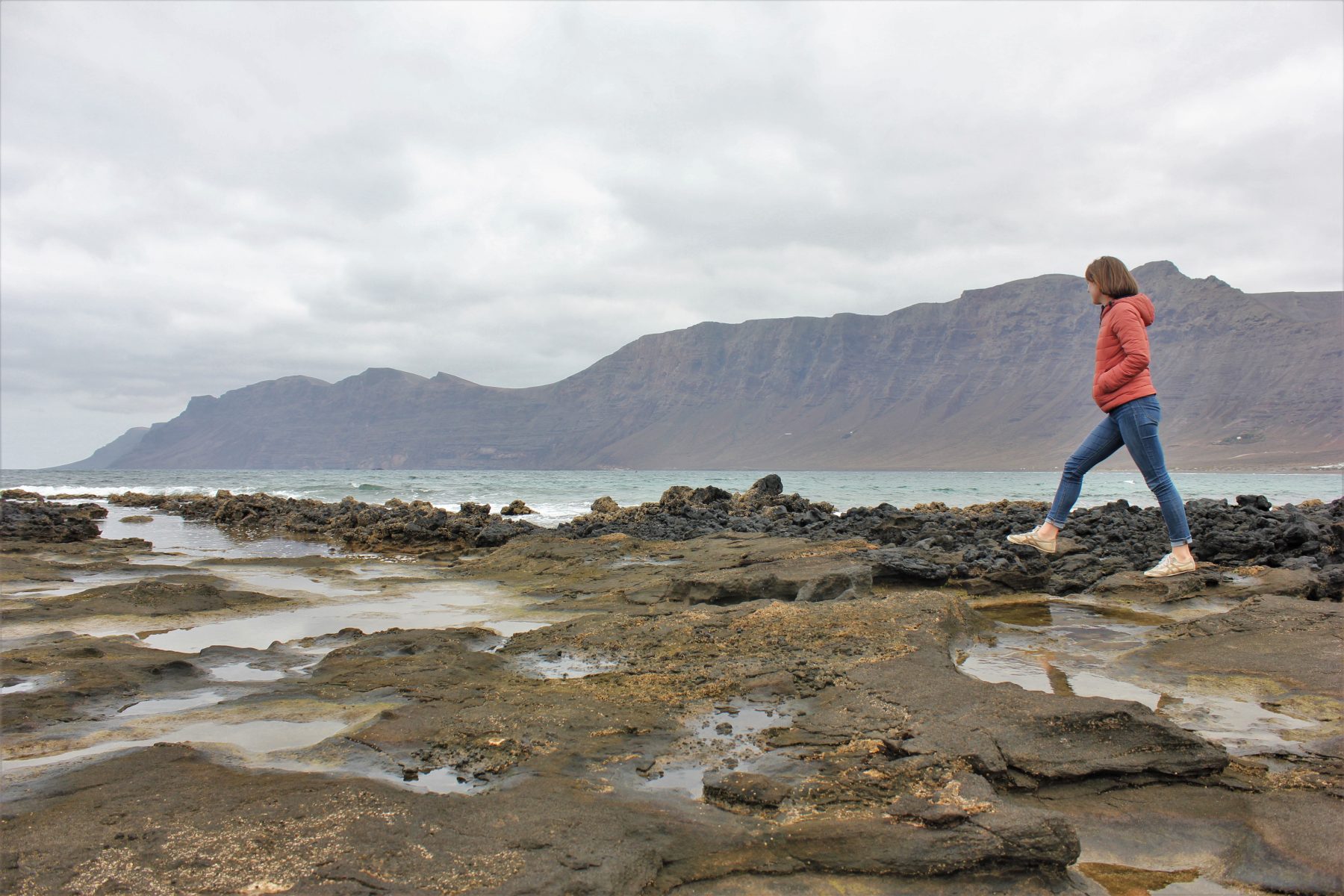
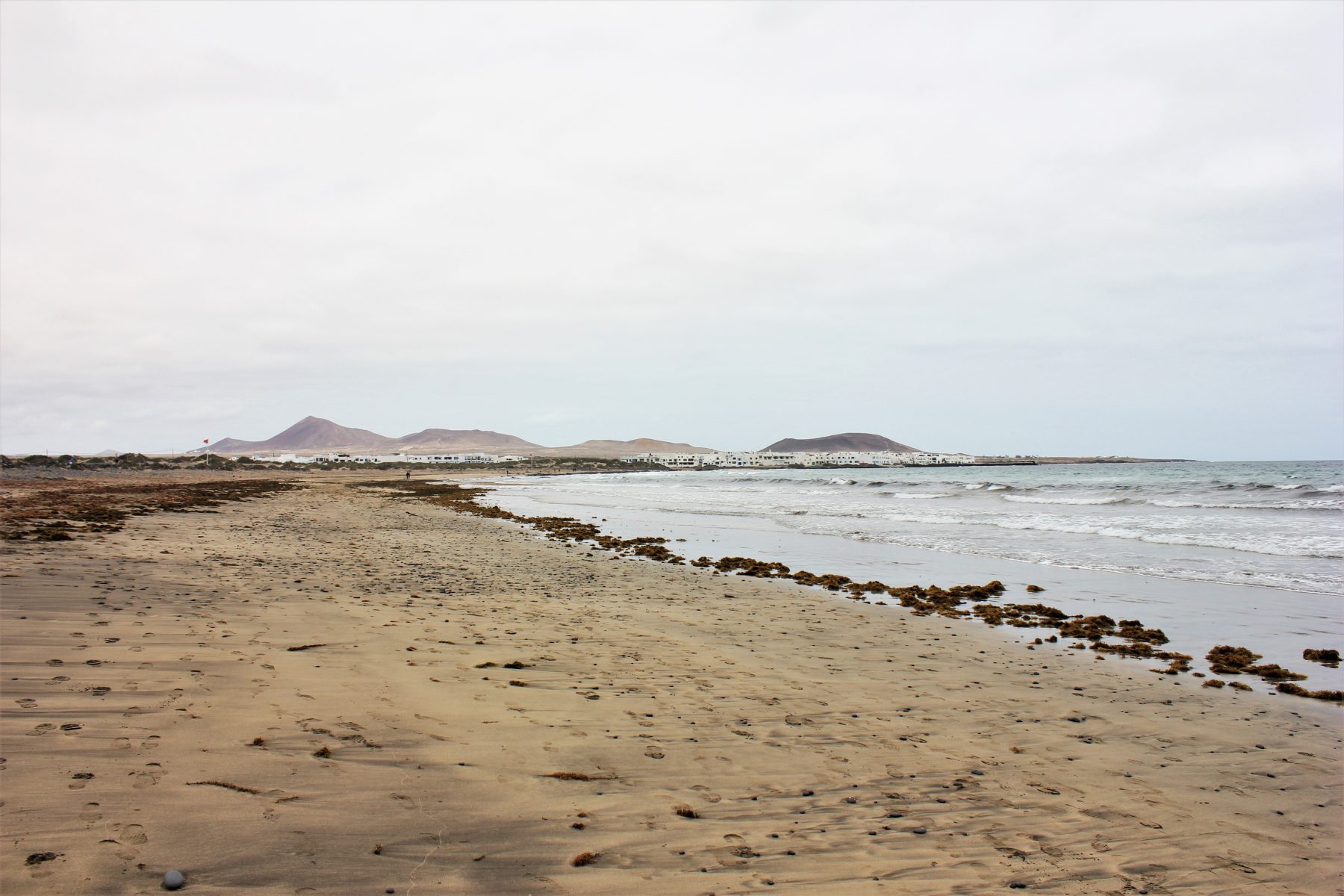
Get your board shorts (or wet suit if it’s chilly!) on and join the weekend surfers at Caleta de Famara. This surf beach is flanked by a fishing village and high cliffs. In the village, you’ll find a few cafes and shops selling coffee, croissants and surf gear. Windswept surfers traipse between the town and the beach, surfboards in hand.
Famara is a long beach under a wall of cliffs, and it is a surfing beach rather than a swimming one — the currents are strong and there is no lifeguard along most of it. Several schools run lessons from the village if you want to learn somewhere forgiving.
Around the Island
19. Beach Hop Along the Coast
Buckle up your seat belts for a road trip along the north of Lanzarote’s east coast. From Orzola down to the town Arrieta, you’ll find secluded beaches and rocky outcrops. Hop from one to the next with your beach towel and swimming cossie. You won’t find pre-set out sun loungers or beachside bars up here, but you will find an almost undisturbed, rugged coastline.
20. Try an Electric Car
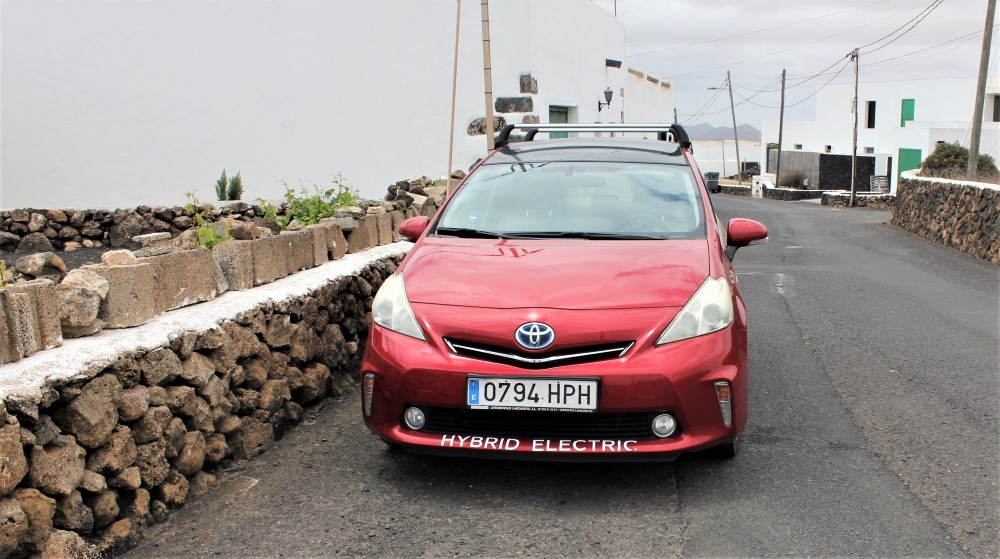
Reduce your emissions with the unique experience of driving an electric car in Lanzarote. We drove a hybrid electric Toyota from Finca de Arrieta (see below), the courtesy car which they privately offer for guests who stay with them. Hybrid cars run on a combination of petrol and electricity, and emit less pollution. These zippy electric cars are a pleasure to drive.
21. Stay in a Yurt
Get a good night’s sleep at Lanzarote’s eco retreat,
Finca de Arrieta
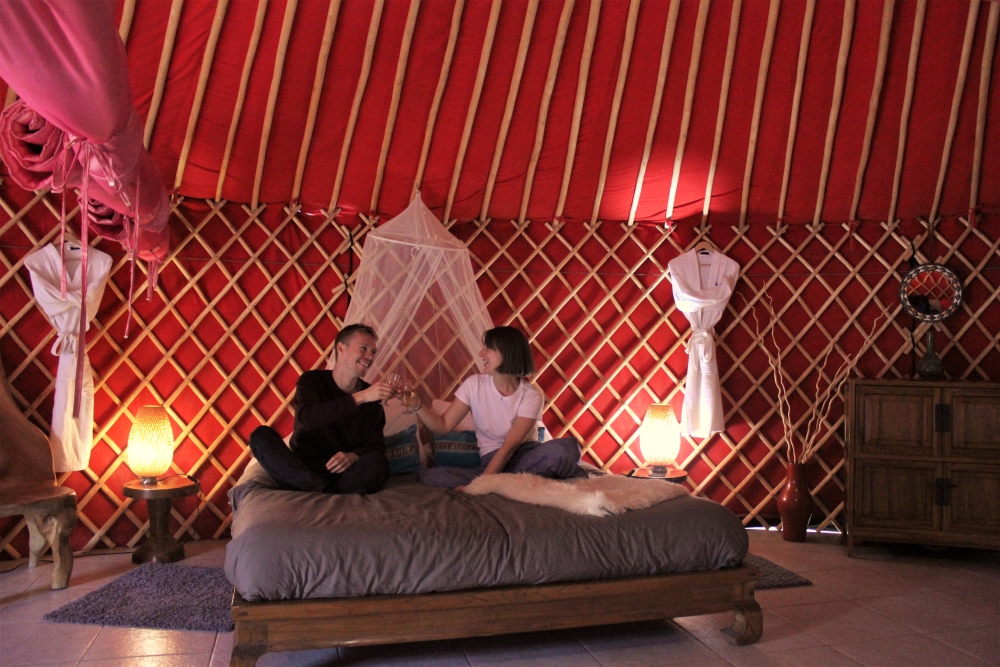
. The finca has unique Mongolian yurts and casitas built from local stone. This sustainable retreat is off-the-grid, making use of its own solar and wind power for electricity and hot water. Pop open a bottle of cava and relax under the gorgeous wooden latticework of the yurt. This unique accommodation is perfect for families wanting a quiet glamping holiday close to the beach.

Lanzarote Excursions and Guided Day Trips
Lanzarote is small enough to drive end to end in about an hour, so most of the island is reachable under your own steam. There are three situations where a guided excursion is worth the money: Timanfaya in high season, when the car park fills and the coach route is the only way into the craters; La Graciosa, where the ferry and the day need planning; and the boat trips, which reach beaches the roads do not.
If you are only booking one, make it Timanfaya. It is the thing people fly to Lanzarote for, and it is the one place where turning up in your own car in half term can mean queueing for a space you do not get.
Where to Base Yourself in Lanzarote
Where you stay changes which of these 21 things you will actually get to. The island is small, but the north and the south are different holidays, and the resorts are not interchangeable.
Puerto del Carmen — Best for a First Visit
The largest resort and the closest to the airport, built along a long seafront strip with the old harbour at one end. It has the widest choice of places to eat and the most to do in the evening, and it is the easiest base if you are not hiring a car, because the excursion pick-ups all serve it. It is also the busiest and the least Lanzarote-feeling part of the island. Compare places to stay in Puerto del Carmen.
Playa Blanca — Best for Beaches and the South
The southern resort, quieter and more modern than Puerto del Carmen, with the marina at Rubicón and the ferry across to Fuerteventura. It is the best base for Papagayo and for the sunset walk to the lighthouse, and the worst for the north — Haría and the Mirador are the better part of an hour away. Compare places to stay in Playa Blanca.
Costa Teguise — Best for Value and Watersports
Purpose-built on the east coast just north of Arrecife, windy almost every day, which is why it was built for watersports. Good value, handy for the airport and for the middle of the island, less appealing if you want a beach you can lie still on. Compare places to stay in Costa Teguise.
Caleta de Famara — Best for the Landscapes
Not a resort at all, but a low-rise surf village under the cliffs on the northwest coast, and the base you want if the north of the island is the reason you are coming. Very little happens here in the evening, which is either the point or the problem. Compare places to stay in Famara.
We have a full Lanzarote accommodation guide in the works. In the meantime, the short version is: first visit and no car, Puerto del Carmen; beaches and the south, Playa Blanca; the north and the landscapes, Famara or a rural finca inland.
Do You Need a Car in Lanzarote?
For this list, yes — or at least for most of it. Roughly half the 21 things here are away from the resorts, and the bus network is built to move people between the towns rather than out to the miradors, the vineyards and the north coast villages. Hiring a car for even two days of a week opens up the half of the island that most package holidays never reach.
The roads are quiet, well surfaced and easy to drive, with two exceptions worth knowing: the track down to Papagayo is unsealed and rough on a small hire car, and the road up to Las Nieves is narrow with a lot of cloud at the top. If you would rather not drive at all, the guided tours above cover Timanfaya, the north and the boat trips, which is most of what you would use a car for.
Visiting Lanzarote in October, and Over Winter
Lanzarote is one of the few places in Europe that still works properly as a beach holiday once the clocks go back, which is why it fills up for October half term and again at Christmas and February. Daytime temperatures usually sit in the mid-twenties through October and rarely drop far below the high teens by day even in January, and the island is dry enough that a week of rain is unusual.
What changes in the cooler months is which of these 21 things are most enjoyable. The volcanic sites are better in autumn than in August, because Timanfaya and the lava fields are hard work in August heat and comfortable in October. The wind on the east coast picks up through winter, which is good news at Costa Teguise and Famara and less good if you wanted a still beach day. The natural pools at Punta Mujeres and the swimming at Papagayo are still warm enough in October, and noticeably colder by January.
If you are booking for half term, book early. Lanzarote is a small island with a fixed number of beds and a very predictable British half-term spike, and the flights move first.
For the rest of our winter-sun shortlist, see 11 winter sun destinations we have actually been to.
What the Main Lanzarote Attractions Cost
Five of the island’s biggest sights are run by the same public body, CACT Lanzarote, and their prices have risen a long way in the last few years — Timanfaya has gone from €8 to €30 since we first visited. These are the current adult prices, checked against the operator’s own site in August 2026:
| Site | Adult entry | Opening hours |
|---|---|---|
| Timanfaya (Montañas del Fuego) | €30 | 09:30–15:45 |
| Jameos del Agua | €17 | 10:00–18:00 |
| Cueva de los Verdes | €17 | 09:30–16:45 |
| Jardín de Cactus | €9 | 10:00–17:00 |
| Mirador del Río | €9 | 10:00–17:00 |
Two adults doing all five would spend €164, which is worth knowing before you plan a week around them. Prices and hours change, so check before you go — and if you are doing several, look at whether a combined ticket works out cheaper than paying at each gate.
The Big Lanzarote Attractions We Haven’t Done
Three of the island’s best-known sights are missing from the 21 above, for the straightforward reason that we haven’t been to them. They come up in every conversation about Lanzarote, so here is what they are and what they cost, and you can decide for yourself.
Jameos del Agua
The most famous of the César Manrique sites, built inside a collapsed section of the same lava tube that produced the Cueva de los Verdes. There is an underground saltwater lagoon inside it, home to a species of tiny blind albino crab found nowhere else, and an auditorium built into the rock. Entry is €17 and it opens 10:00 to 18:00. It sits a few minutes up the coast from Punta Mujeres and Arrieta, so it slots easily into the northern day in this guide. A combined tour covers it alongside Timanfaya and the Cueva de los Verdes.
Museo Atlántico
Europe’s first underwater sculpture museum, sunk off the coast of Playa Blanca — around 300 concrete figures by Jason deCaires Taylor, standing on the seabed at about 12 to 15 metres. You reach it by diving or on a snorkelling and boat trip, so it is a proper excursion rather than something you drop in on. If you dive, this is the thing on Lanzarote most people come back talking about.
The Mirador del Río Viewing Platform
We have been to the clifftop at Río, but not inside the paid Manrique platform itself — we walked down the free lane alongside it instead, which is number 17 above. The paid version gives you the engineered view through the curved windows and a café, for €9. If you want the architecture as much as the view, pay; if you want the view, the lane is free and quieter.
Lanzarote Weather Month by Month
Lanzarote’s appeal is that it barely has a winter. Daytime highs sit between 20°C and 28°C all year, and the island is dry — four months of the year record no measurable rainfall at all. These are the long-term averages for Arrecife:
| Month | Day | Night | Sea | Sun hrs | Rain days |
|---|---|---|---|---|---|
| January | 20°C | 13°C | 19°C | 7 | 4 |
| February | 20°C | 13°C | 18°C | 7 | 3 |
| March | 21°C | 14°C | 18°C | 7 | 3 |
| April | 22°C | 14°C | 18°C | 8 | 2 |
| May | 23°C | 15°C | 19°C | 9 | 1 |
| June | 25°C | 17°C | 20°C | 9 | 0 |
| July | 27°C | 19°C | 21°C | 9 | 0 |
| August | 28°C | 20°C | 22°C | 9 | 0 |
| September | 28°C | 20°C | 23°C | 7 | 1 |
| October | 25°C | 18°C | 22°C | 7 | 2 |
| November | 23°C | 16°C | 21°C | 7 | 3 |
| December | 21°C | 14°C | 20°C | 6 | 4 |
The Best Time to Visit Lanzarote
September and October are the best months to come. The sea is at its warmest of the year in September at 23°C and still 22°C in October, the daytime heat has come off the volcanic sites, and you are getting seven hours of sun a day with one or two rain days a month. August is hotter at 28°C, but Timanfaya and the lava fields are hard work in that, and it is peak season.
For winter sun, January and February still deliver 20°C days and a 18–19°C sea, which is warmer than a British summer. The catch is wind rather than rain — the east coast around Costa Teguise gets breezy through the winter, which is exactly why the windsurfers go then.
What Lanzarote Is Like in October
October averages 25°C by day, 18°C at night and a 22°C sea, with about seven hours of sunshine and two days of rain across the month. That is beach weather by any British standard, and it is the reason the island fills for half term. Take a light layer for the evenings and something windproof if you are going up to Las Nieves or out to Famara, where it is always cooler than the coast.
Getting to Lanzarote and Getting Around
Lanzarote’s airport sits between Arrecife and Puerto del Carmen, which is why Puerto del Carmen is the shortest transfer on the island at roughly ten minutes. Costa Teguise is about twenty, Playa Blanca about forty, and Famara about thirty-five. Nowhere on Lanzarote is more than about an hour from the airport, which is part of the appeal with children.
Driving Times Between the Regions
The island is around 60km end to end and the roads are quiet and well surfaced, so distances feel shorter than they look on a map. Rough guides from Puerto del Carmen:
- Timanfaya — about 25 minutes
- La Geria and the wine country — about 20 minutes
- Teguise old town — about 25 minutes
- Jardín de Cactus, Cueva de los Verdes and the northeast coast — about 40 minutes
- Haría and the Mirador del Río — about 50 minutes
- Famara — about 35 minutes
- Playa Blanca and Papagayo — about 40 minutes
The practical consequence is that you can base yourself anywhere and still reach everything, but you would not want to do the far north and the far south on the same day. The regional grouping in this guide is built around that: one day for the south, one for the centre, and one for the north.
Car Hire and Driving
Hiring a car is the difference between seeing the resorts and seeing the island, and it is inexpensive on Lanzarote compared with mainland Spain. Most of the pick-up desks are at the airport, and it is worth comparing car hire prices for Arrecife before you land, because walk-up rates in half term are the worst you will pay. Two things worth knowing before you book: the track down to Papagayo is unsealed and will rattle a small car, and there is a charge per vehicle to enter the Los Ajaches protected area it runs through. Fuel is cheap by UK standards because the Canaries have lower duty.
If you would rather not drive, Puerto del Carmen is the base with the most excursion pick-ups, and the guided tours above cover Timanfaya, the north and the boat trips — which is most of what a car would get you.
Things to Do in Lanzarote FAQ
Four to five days covers the headline sights — Timanfaya, the Manrique sites, the north and one beach day — without rushing. A week lets you add La Graciosa and the slower things, like the bodega lunches and the craft markets, which are where the island is at its best.
Lanzarote is windier than the other Canary Islands, and the wind is a constant rather than an occasional thing. The east coast around Costa Teguise catches it hardest, which is why the windsurfing schools are based there, and the north-west around Famara is exposed enough that the sea is rarely flat. The south around Playa Blanca and Papagayo is the most sheltered part of the island, so head there if you want a still beach day.
Booking ahead is sensible in school holidays and at weekends, because the site sells timed entry slots and the car park is small for the number of people who want to be there. Outside those periods you can usually turn up and get in, though the middle of the day is always the busiest. If you are coming in half term, book before you fly.
Volcanoes and César Manrique. Timanfaya National Park is the reason most people come, and Manrique is the reason the island looks unlike anywhere else — his influence is why there are almost no high-rise buildings and why the houses are white with green or blue paintwork.
Lanzarote is cheaper than mainland Spain for fuel and broadly similar for food and drink, because the Canary Islands pay lower duty. Where costs have climbed is the big attractions: the five main sites now come to €82 a head if you visit all of them, which is a real line in a family budget. Car hire and supermarket shopping are where the island still feels good value.
Lanzarote suits people who want landscapes, architecture and food alongside the beach, because the volcanic scenery and the César Manrique sites give you something to do on the days you are not swimming. Fuerteventura has the better beaches by some distance, with far longer stretches of open sand, and it suits a week where the beach is the point. The ferry from Playa Blanca takes about half an hour, so you can see both.
Keep Reading
This guide contains affiliate links. If you book through them we may earn a small commission at no extra cost to you. We only ever recommend places we have been or would happily book ourselves.