


Hiking is a great way to get out and explore the world around you! With so many trails, parks, and nature preserves available for exploration, it’s easy to see why hiking has become such a popular activity. Whether you are an experienced hiker or just starting out, these top 9 hiking tips will help ensure your next outdoor adventure goes smoothly. Learn how to plan ahead, stay safe on the trail, and enjoy your hike with these simple tips!
1. Check weather conditions and plan accordingly
Planning ahead is one of the most important tips for a successful hike. Before setting out, check the weather forecast to make sure you are prepared for any type of conditions that may arise. Knowing what to expect can help you plan your clothing and other supplies needed for your trip. Checking the weather can give you an idea about which trails will be best suited for your current level of experience and physical condition.
2. Never forget the essentials
These are some of the basic essentials to bring on a hiking adventure. Make sure to alsocheck for any specific items required for the trail you plan to hike.
Backpack: A comfortable and spacious backpack is essential to carry all your gear and supplies.
Hydration system: A water bottle or hydration system is crucial to stay hydrated during the hike.
Food and Snacks: Energy-dense snacks like trail mix, granola bars, and dried fruit can provide you with the energy you need to complete your hike.
First aid kit: A basic first aid kit should include items like bandages, gauze, pain relief medication, and antiseptic wipes.

Navigation tools: A map, compass, and GPS device are essential for navigation, especially if you are hiking in remote areas.
Clothing: Make sure to dress appropriately for the weather and bring layers that can be removed or added as needed. A waterproof jacket andhat are also essential.
Footwear: Good hiking shoes or boots are important to provide support and prevent blisters during the hike.
Headlamp or flashlight: A headlamp or flashlight is essential in case you need to hike in the dark or in low-light conditions.
Sun protection: A hat, sunglasses, and sunscreen are essential to protect yourself from the sun’s harmful UV rays.
3. Bring adequate food and water
When it comes to hiking, having the proper amount of food and water is essential. Make sure you bring enough snacks and meals for your journey, as well as plenty of water. It’s also important to make sure that any food or drinks you bring are non-perishable and easy to transport so that they don’t add too much weight to your pack. Additionally, if you plan on being out for a long time, con
sider bringing a filter or purification tablets in case you come across natural sources of water during your hike.
4. Shoe and Sock Combo:
Blisters can quickly ruin a hike, making it important to choose the right footwear and socks. It is advisable to visit a local outdoor shop to be fitted with boots that fit snugly but not too tightly, and match your specific needs. The right socks are also important, wi
th merino wool crew-length socks being the standard for general-purpose hiking. Investing in a good pair of hiking socks is worth it.
5. Bring a Charged Phone:
Having a charged phone can be a lifesaver in case of an emergency. Don’t be surprised by the amount of cell service you can find on the top of a mountain. Also, don’t forget to bring your camera!
6. Source of Light:
It is essential to plan ahead and arrive at your destination before dark. Carrying a source of light, such as a headlamp, is important in case the hike takes longer than expected. Don’t rely on just your phone flashlight, as it can drain your battery and turn off unexpectedly.
7. Basic First-Aid:
Every hiker should have basic kno
wledge of first-aid to keep themselves and their group safe and comfortable in case of injury. It is recommended to carry a basic first-aid kit on every hiking trip.
8. Bring a Buddy:
While solo hiking can be a rewarding experience, it is best
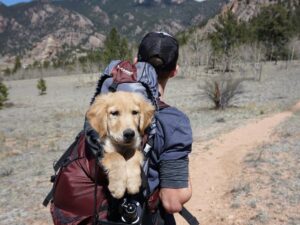
to bring a friend or two, especially when starting out. Having a companion can make the hike more enjoyable and provide support in case of injury.
9. Pace Yourself
Hiking is about the journey, not just the
destination. Racing through the hike can take away from the experience. Moving at a comfortable pace, taking in
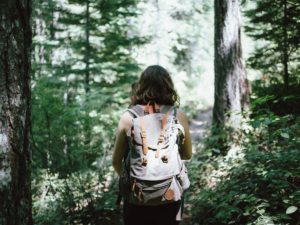
the scenery, and taking breaks when needed will ensure you enjoy the hike and still have energy to celebrate when you reach your destination.
Check out Our Hiking Travel Planners too!
“Check out our hyperlink Travel Planners”