

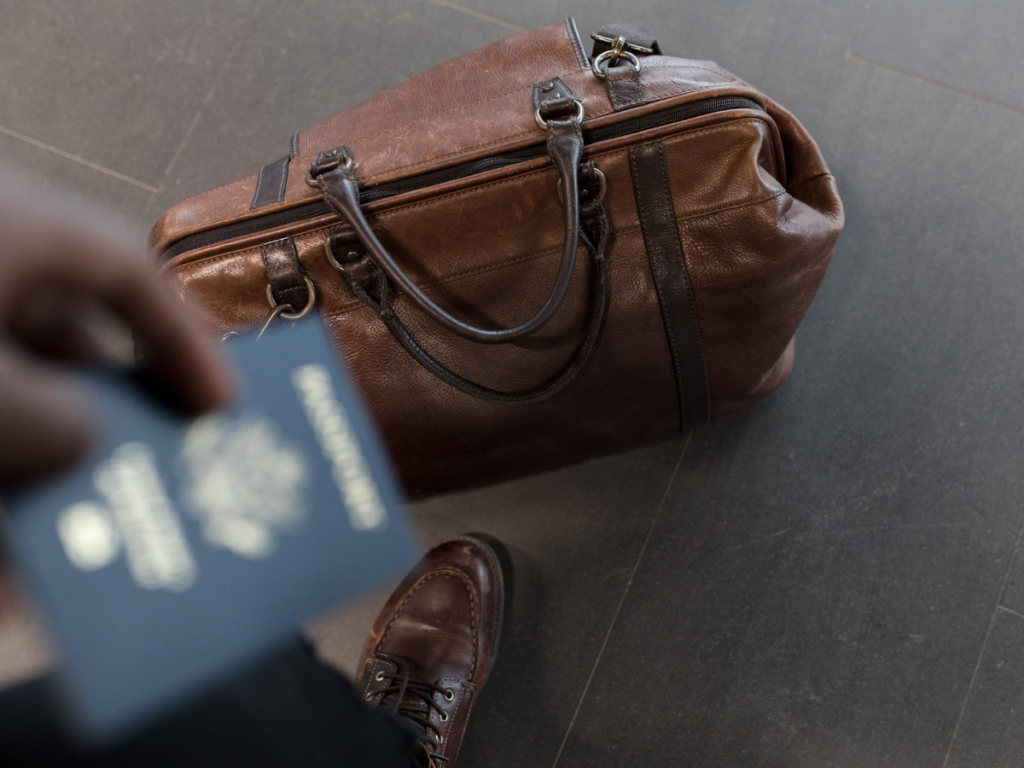
Whether you’re a seasoned globetrotter or new to the game, you can always learn something to make your next adventure even better. From finding cheap flights to packing like a pro, these travel tips will help you make the most of your time on the road. So buckle up and get ready for some top-notch advice that’ll have you jet-setting with ease in no time!
Do your research

Dreaming of your next adventure but worried about the cost of flights? You’re not alone. Airfare can often be the biggest hurdle between you and that dream vacation. But what if I told you there are proven strategies, almost like secret travel tips, that can significantly slash your airfare costs?
Booking cheap flights isn’t just about luck; it’s about strategy, flexibility, and knowing where to look. Forget endlessly refreshing airline websites and getting frustrated. With a few smart tactics, you can unlock incredible deals and make your travel dreams a reality without breaking the bank.
Ready to become a master at finding cheap flights and fly for less on your next trip? Let’s dive into 7 powerful tips that will change the way you book airfare forever!
7 Secret Travel Tips to Find Cheap Flights Now
1. Be Flexible with Your Dates: This is arguably the most impactful tip. Flight prices fluctuate wildly depending on the day of the week, season, and major holidays.
- The Strategy: Aim to fly mid-week (Tuesdays, Wednesdays, Thursdays) rather than weekends. Avoid peak holiday seasons if possible. Even shifting your travel by a day or two can save you hundreds.
- Actionable Tip: When searching on flight aggregators like Google Flights, Skyscanner, or Kayak, use their “flexible dates” or “month view” options to see prices across an entire calendar.
2. Consider Flying to Alternate Airports: Major cities often have multiple airports. While your preferred airport might be closest, a slightly farther one could offer significantly cheaper fares.
- The Strategy: Airlines use demand to price routes. Less popular airports or those serviced by budget carriers often have lower fees and less competition.
- Actionable Tip: When searching, include nearby airports in your search. For example, if flying to London, check Heathrow (LHR), Gatwick (LGW), Luton (LTN), and Stansted (STN). Factor in the cost and time of transport from the alternate airport.
3. Use Incognito Mode & Clear Cookies: Some travel sites may use cookies to track your visits and potentially increase prices on routes you frequently search, creating a false sense of urgency.
- The Strategy: By Browse incognito or private mode, you essentially appear as a new user each time, preventing potential price hikes based on your search history.
- Actionable Tip: Always open a new incognito or private Browse window when you start your flight search. Clear your browser’s cookies periodically.
4. Be Flexible with Your Destination (Explore “Everywhere”): If you know you want to travel but aren’t set on a specific place, this is your golden ticket to truly cheap flights.
- The Strategy: Many flight search engines have an “explore” or “everywhere” feature that shows you the cheapest destinations from your departure city for given dates.
- Actionable Tip: Use Google Flights’ “Explore” map or Skyscanner’s “Everywhere” search to see where you can fly cheapest during your desired travel window. This is perfect for spontaneous adventures!
5. Book at the “Sweet Spot”: There’s no single magic day or time to book, but general trends suggest a “sweet spot” for domestic and international flights.
- The Strategy: For domestic flights, usually 1-3 months out. For international flights, 2-8 months out. Booking too early can be expensive, and last-minute fares are often the highest.
- Actionable Tip: Start monitoring prices early using price alerts (see Tip 6), but aim to book within these general windows.
6. Set Up Price Alerts: Don’t constantly check prices manually. Let the technology do the work for you.
- The Strategy: Most flight search engines allow you to set up email alerts for specific routes. You’ll get notified when the price drops, ensuring you don’t miss a good deal.
- Actionable Tip: Set up price alerts on Google Flights, Skyscanner, or Kayak for your desired routes. This helps you track fluctuations and jump on deals.
7. Consider Budget Airlines (But Read the Fine Print!): Low-cost carriers can offer incredibly cheap base fares, but they often charge extra for everything else.
- The Strategy: Understand that the price you see initially might not be the final price. Factor in costs for checked bags, carry-on bags, seat selection, and even printing your boarding pass.
- Actionable Tip: Always calculate the total cost with all your desired add-ons before assuming a budget airline is cheaper. Compare this total to a full-service airline’s fare.
Your Next Adventure is Closer Than You Think!
Finding cheap flights truly is an art, but one that anyone can master with a bit of practice and these strategic tips. By being flexible, using the right tools, and understanding how airfare works, you can unlock incredible savings and turn your travel dreams into reality.
Stop waiting for that perfect price and start proactively hunting for deals. Your next unforgettable journey is just a few smart clicks away!
BONUS
Be wary of public Wi-Fi.

When traveling, connecting to public Wi-Fi networks at airports, cafes, hotels, and other places is common. However, it’s important to be wary of these networks as they can pose security risks. Public Wi-Fi networks are often unsecured and can leave you vulnerable to hackers and cybercriminals who can intercept your personal information, such as passwords and credit card details. To protect yourself, avoid accessing sensitive information while connected to public Wi-Fi and use a virtual private network (VPN) to encrypt your online activity. Additionally, ensure that your device’s software is up to date and that you have strong passwords in place.
Safeguard your hotel room
When traveling, your hotel room serves as your home base, and it’s important to safeguard it. Start by locking the door and using any additional security measures provided by the hotel, such as a deadbolt or chain. Keep your valuables, such as your passport and cash, in a hotel safe or a secure location within the room. Be cautious when answering the door, and only allow authorized personnel, such as housekeeping or hotel staff, to enter. If you’re staying for an extended period, avoid drawing attention to your absence by leaving a do not disturb sign on the door and keeping the curtains closed. Taking these precautions can help you have a safe and enjoyable trip.
Be aware of your surroundings
When traveling, it’s important to be aware of your surroundings. This means paying attention to the people, places, and activities around you. Stay alert, especially in unfamiliar or crowded areas, and be mindful of any suspicious behavior. Keep your belongings close to you, especially in high-risk areas, such as tourist attractions or public transportation. Avoid walking alone at night or in poorly lit areas, and stick to well-traveled routes. Familiarize yourself with local customs and laws to avoid unintentional cultural faux pas. By staying aware of your surroundings, you can stay safe and enjoy your travels to the fullest.
Prepare yourself mentally and physically
To make the most of your travel adventure, being mentally and physically prepared is important. This involves packing light, eating healthy, and getting enough rest before you leave. Packaging snacks and drinks in case of delays or long layovers at airports is also a good idea.
Keeping a journal is another way to enhance your travel experience. Writing down your thoughts and feelings about your trip can help you remember all the highs and lows, and can be a great way to reflect on your experiences once you’re back home.
Make travel arrangements
To ensure a successful trip, it’s important to plan ahead. This involves booking your flights, hotels, and car rentals in advance to get the best deals. When packing, bring all the necessary travel gear, such as your passport, airline tickets, visas (if necessary), and any other required documentation.
To make the most of your trip, consider listing things you want to do while you’re there. This could include visiting popular tourist spots, trying new foods, or packing a picnic for the parks.
Pack the right gear
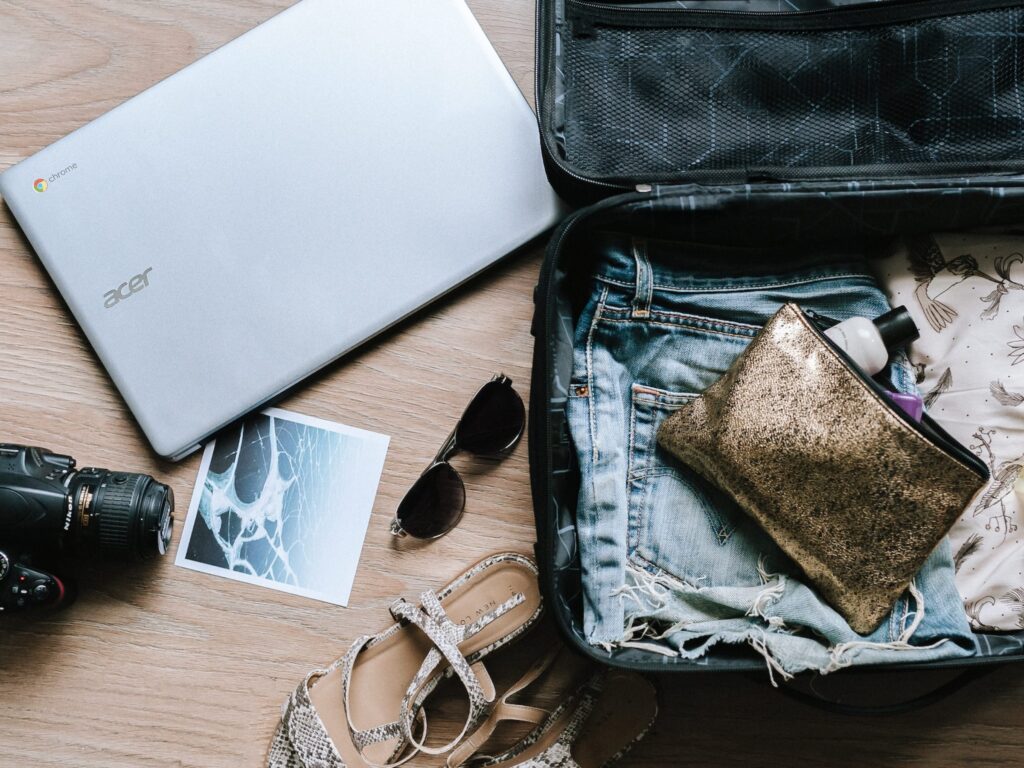
Whether you’re packing for a quick trip to the grocery store or planning a multi-day backpacking trip, be sure to pack the right gear. Here are five essentials to pack for any trip:
1. Map of your destination
2. A compass
3. Sunscreen and lip balm
4. Drinking water
5. First-aid kit
Get travel insurance
If you’re planning a trip away from home, taking out travel insurance is important. This type of insurance protects you in case something goes wrong during your trip, such as being stranded because of a natural disaster or getting sick while away from home.
Additionally, it’s always a good idea to have medical coverage if you’re traveling outside your country. International health insurance can cover costs like hospitalization, doctor visits, and prescriptions. Make sure you understand the exclusions and conditions of your policy before buying it, so you know what to expect in case of an emergency.
Know the customs and laws of the destination you’re visiting
When traveling overseas, always be sure to abide by the local customs and laws. For example, in some countries, it is important to dress modestly, while in others, it is considered rude to turn your back on someone during a conversation.
Similarly, be aware of the social norms of the country you’re visiting. For example, in some cultures, it is customary to give gifts when meeting someone for the first time. Keep this in mind when packing for your trip!
Respect local culture and customs
When traveling to a new destination, it’s important to be respectful of the local culture and customs. This means being aware of the social norms and dos and don’ts in the area you are visiting. When interacting with locals, it’s important to be polite and respectful, and to avoid making assumptions about people’s cultural backgrounds.
While taking photos and video footage of your trip can be a great way to create memories, it’s important to respect people’s privacy. If someone does not want their image taken or recorded, it’s important to honor their wishes.
Be a good ambassador for your home country while traveling
As a traveler, being a good ambassador for your home country is important. This means respecting the customs and culture of the place you’re visiting and following their rules. To do this, learning the local language is recommended, or at least understanding it enough to follow conversations. This can help you get acquainted with the locals and make more friends while traveling.
Respecting cultural norms is also important. For example, avoid touching people without their consent, dressing immodestly, or showing too much enthusiasm during ceremonies or rituals – these behaviors could be considered rude in some cultures.